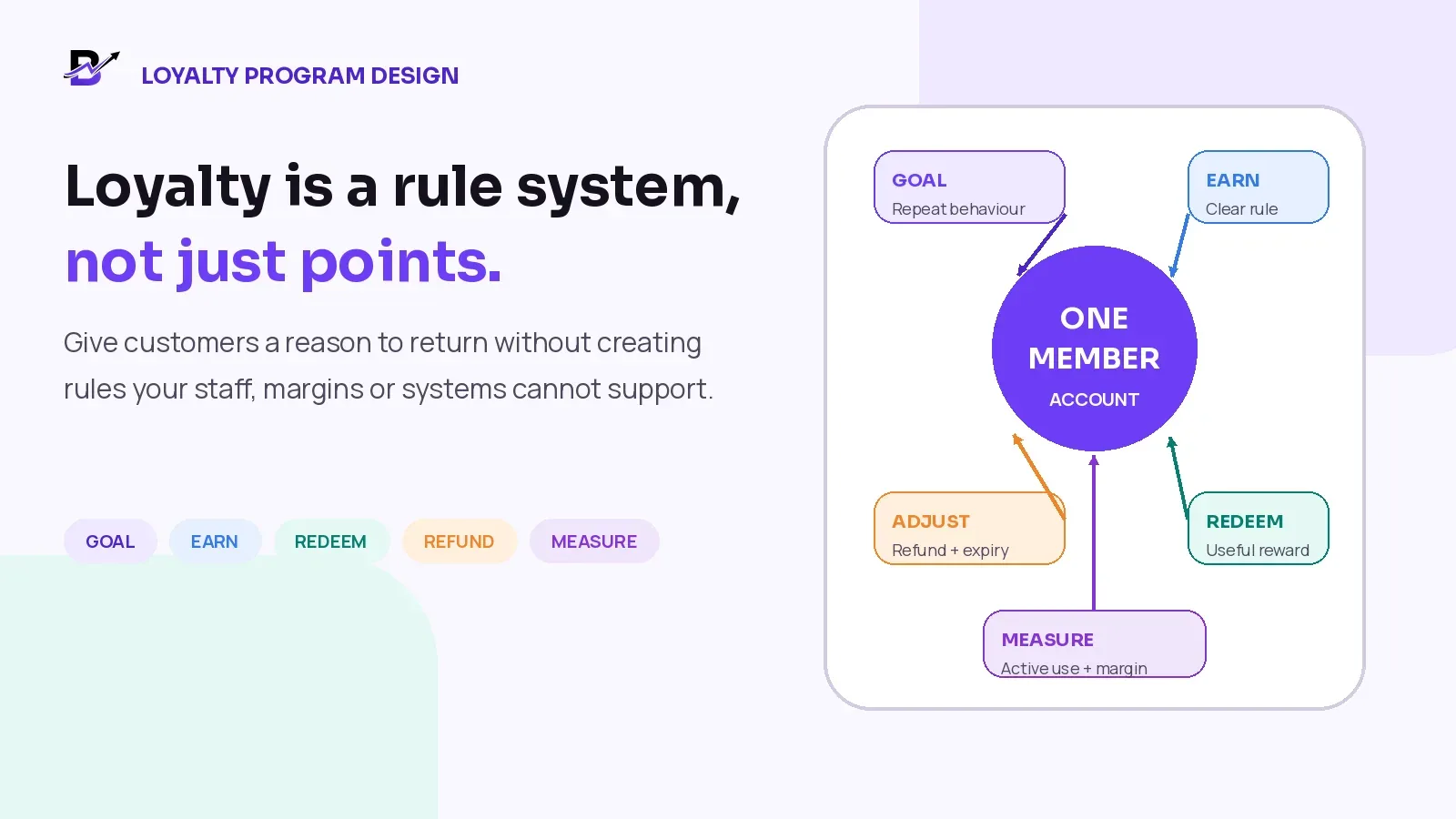
A loyalty program works only when the customer promise and the operating rules stay clear.
Most loyalty programs do not fail because customers dislike rewards. They fail because the promise is difficult to understand, the reward feels too far away, staff cannot explain the rules, online and in-store balances do not match, or a refund creates an argument at the counter.
A useful program is simple enough to explain in one sentence and controlled enough to survive real orders, cancellations, returns, branch sales and customer-service questions.
DIRECT ANSWER — A useful retail loyalty program starts with one behaviour you want to encourage, then uses simple earning and redemption rules that customers and staff can understand. Keep one customer identity across website, app and POS, define expiry, exclusions, refunds and abuse controls, protect margin, and measure active participation, redemption, repeat purchase and contribution margin before adding complexity.
This guide is for florists, gifting brands, bakeries, cafes, perfume shops, jewellery retailers and other specialty businesses that want more repeat customers without building a confusing discount system.
In this guide
Why loyalty is an operating rule system, not only a points screen
How to choose the customer behaviour the program should encourage
How points, stamps, cashback, member pricing and tiers differ
How to protect margin before the first reward is issued
Which earning, redemption, expiry, refund and return rules to write
How to keep one customer identity across website, app, POS and branches
How to launch, train staff and measure real customer use
How Bloomlytix can connect loyalty-ready journeys with the wider retail operation
1. A loyalty program is a rule system, not just points
Customers see a balance, stamp, tier or reward. The business must define everything behind it: who qualifies, which transaction earns value, when that value becomes available, what can be redeemed, who may adjust the balance and what happens when the original purchase changes.
The loyalty promise becomes unreliable when any of those answers live only in a marketing post or in one manager’s memory. Staff need the same rulebook, and the software needs a consistent event for every normal and exceptional transaction.
Customer question | Business rule that must exist |
|---|---|
How do I join? | Member identity, minimum data, consent and duplicate-account handling. |
What earns a reward? | Eligible products, channels, locations, payment states, exclusions and rounding. |
When can I use it? | Pending period, threshold, availability, expiry and redemption limits. |
Where can I use it? | Website, customer app, POS, participating branches and supported order types. |
What happens after a return? | Point reversal, reward restoration, negative balance and manager approval rules. |
Can the rules change? | Notice, effective date, treatment of existing balances and customer support process. |
CORE PRINCIPLE — If staff cannot explain the earning and redemption rules in one short conversation, the program is probably too complicated for version one.
2. Choose one behaviour to encourage
Do not begin with “We need points.” Begin with the business behaviour you want to change. A first version should normally have one primary goal. Several goals can be measured, but one should guide the reward design.
Primary goal | What the program may encourage | Useful first question |
|---|---|---|
Second purchase | A reason for a new customer to return after the first order. | What would make the next purchase feel easy and worthwhile? |
Higher purchase frequency | More regular visits or orders in a category people already buy. | How often can a satisfied customer realistically return? |
Direct-channel adoption | Use of the brand website, app or store account instead of an untracked conversation. | Which direct channel gives the customer a better repeat journey? |
Customer recognition | One account across online and in-store purchases. | Can the customer identify themselves without friction? |
Category or add-on discovery | Trial of a useful new category or relevant extra. | Is the reward helping the customer, or only clearing stock? |
Long-term relationship | Recognition, access or service for high-value returning customers. | Would a perk be more valuable than a discount? |
A florist may focus on the second occasion order. A cafe may focus on visit frequency. A perfume brand may focus on direct customer accounts and repeat discovery-set purchases. A jewellery store may value recognised service, early access or secure customer history more than a large discount.
3. Choose the simplest loyalty model that fits
No loyalty model is automatically best. The right starting point depends on purchase frequency, basket value, margin, product complexity and how easily customers and staff can understand the promise.
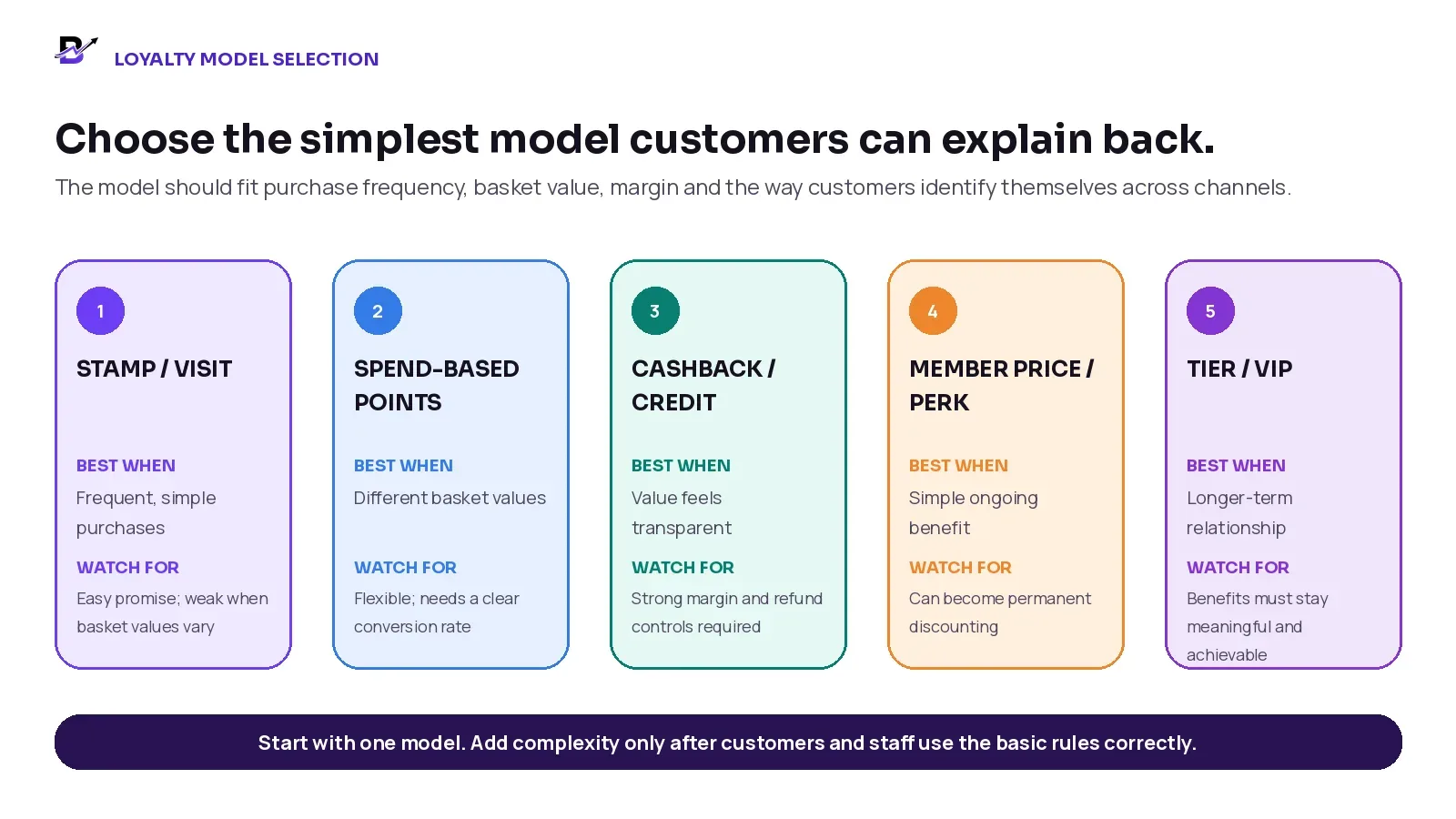
Figure 1. The simplest model is usually the strongest starting point.
Model | Works well when | Main advantage | Main risk |
|---|---|---|---|
Stamp or visit | Purchases are frequent and reasonably similar, such as coffee or a regular bakery item. | The promise is easy: buy or visit a set number of times, then receive a reward. | A visit can have very different value, and staff may struggle with split or cancelled transactions. |
Spend-based points | Basket values vary and the business wants one earning currency. | Earning can reflect customer spend and work across several product categories. | The conversion rate may feel abstract, and rounding or exclusions can confuse customers. |
Cashback or store credit | Customers respond to a clear monetary value. | The benefit is easy to understand and can support the next order. | The reward behaves like a financial balance and needs strong expiry, refund and accounting rules. |
Member pricing or coupons | The business wants a simple visible benefit without a points balance. | Easy to communicate and use in selected campaigns or categories. | Permanent discounting can reduce margin and train customers to wait for an offer. |
Tiered or VIP | Purchase history is meaningful over a longer period and benefits can improve with status. | Recognises stronger relationships and can use service or access benefits, not only discounts. | Tiers become frustrating when thresholds are unclear or benefits feel unreachable. |
BALANCED RULE — Start with one model and one reward path. A hybrid of points, tiers, referrals, challenges and partner rewards may look impressive, but it creates more customer questions, support cases and financial controls.
4. Protect margin before the program is announced
A loyalty offer is not free marketing. It has a face value, a real cost and an effect on the order margin. Model the economics before creating banners, points names or launch videos.
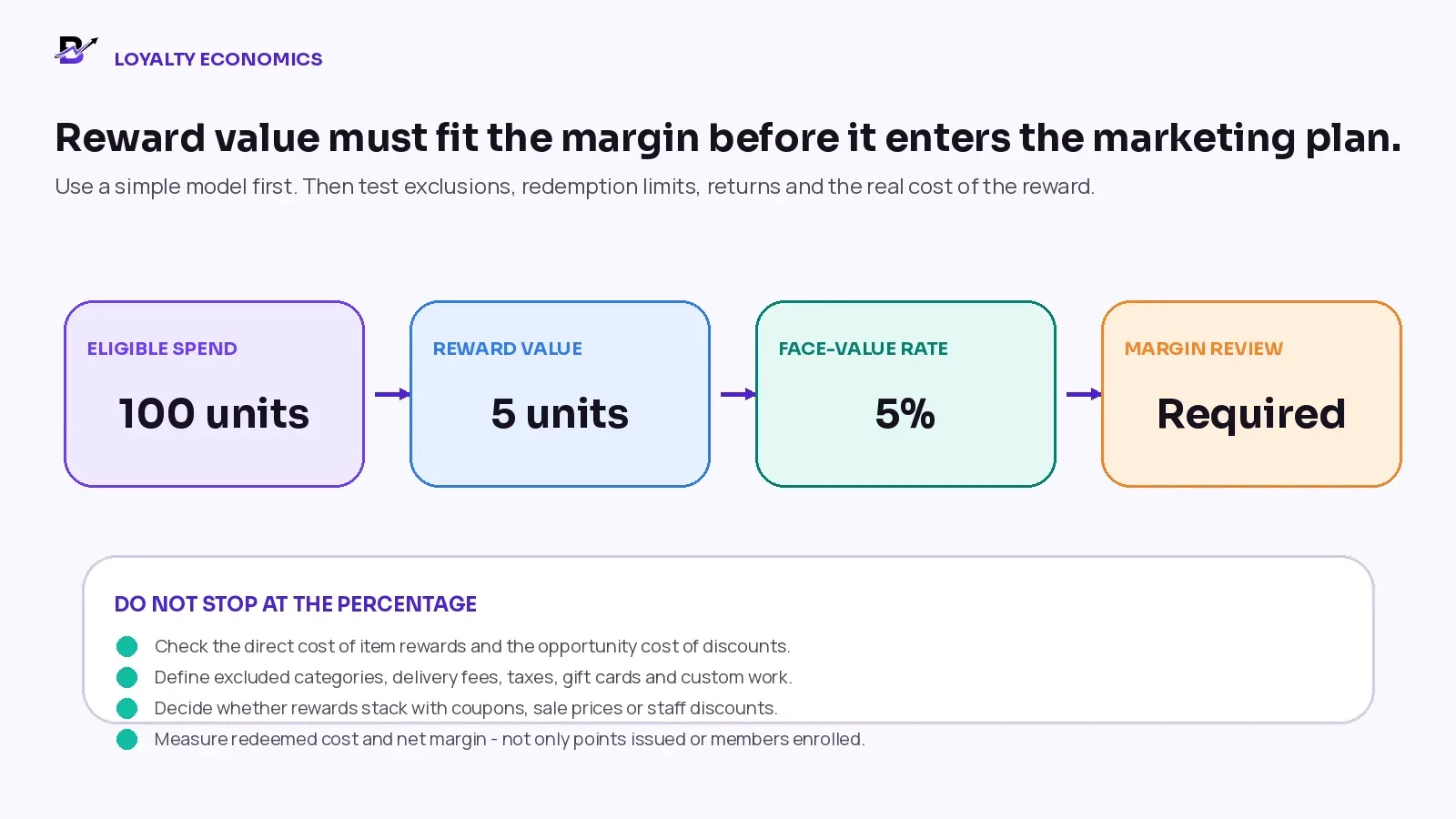
Figure 2. The visible reward percentage is only the beginning of the margin calculation.
SIMPLE FORMULA — Reward face-value rate = reward value ÷ eligible spend required × 100. A 5-unit reward after 100 units of eligible spend has a 5% face-value rate before redemption behaviour, direct product cost, taxes, returns or other conditions are considered.
The face-value rate is not the same as the real cost. A free item may sell for 18 but cost the business 6 plus preparation and service. A 5-unit discount may cost the full 5 when redeemed. A reward that is never used has no redemption cost, but a program should not be designed around customers failing to receive value.
Margin control | Decision to make |
|---|---|
Eligible spend | Do delivery fees, taxes, tips, gift cards, deposits, wholesale lines, custom work or already-discounted items earn value? |
Reward type | Is the reward a discount, free item, member price, service, sample, early access or store credit? |
Minimum and maximum | Is there a minimum redemption threshold or a maximum reward value per order? |
Stacking | Can rewards combine with coupons, sale prices, staff discounts or another promotion? |
Category exclusions | Which low-margin, regulated, consignment, bespoke or supplier-controlled products are excluded? |
Rounding | How are fractions, currency conversion and tax handled in the balance? |
Return exposure | Can the customer earn and spend a reward before the return window for the earning purchase closes? |
Owner review | Which report shows issued value, redeemed cost, outstanding balance, margin and exceptions? |
5. Write the loyalty rulebook before marketing starts
A program needs terms customers can understand and operating rules staff can follow. The rulebook below is also a useful implementation brief for the software provider, finance adviser and customer-service team.
Rule area | Decision to write before launch | Example prompt |
|---|---|---|
Primary goal | The behaviour and customer group the program is designed for. | Encourage a second direct order within a realistic period. |
Member identity | Phone, email, customer account or another approved identifier. | How will website and POS activity find the same member? |
Participating channels | Website, app, POS, manual orders and supported branches. | Can members earn online and redeem in store? |
Earning trigger | Paid order, fulfilled order, delivered order or another event. | Do cancelled or failed payments ever create points? |
Eligible value | Products, categories, fees and transaction types included or excluded. | Do custom orders and sale items earn value? |
Earning rate | Visits, spend, category rule, item rule or campaign bonus. | How is the value rounded? |
Pending period | Time before earned value becomes available. | Does high-return merchandise need a waiting period? |
Redemption threshold | Minimum balance or reward milestone. | Can a small balance be used, or only a complete reward? |
Reward value | Discount, product, service, store credit, access or member benefit. | What is the real cost and customer value? |
Redemption limit | Maximum per order, excluded items and stacking rules. | Can the reward cover the full order or delivery charge? |
Expiry | Whether points or rewards expire and how notice is given. | What happens to dormant accounts? |
Refund and return | How earned value and redeemed value are reversed or restored. | What happens after full and partial refunds? |
Manual adjustment | Who can add, remove or correct value, with reason and evidence. | Can a cashier edit a balance without manager approval? |
Program changes | How existing balances and issued rewards are treated. | When do new rules take effect? |
Communication | Service messages, marketing permission and opt-out controls. | Is loyalty membership separate from marketing consent? |
Owner and review date | Named business owner and scheduled review. | Who approves changes after launch? |
SAVEABLE ASSET — Use this Loyalty Rule Builder as the implementation checklist. Do not launch until every row has an owner, a written answer and at least one tested transaction.
6. Keep one customer identity across website, app, POS and branches
An omnichannel loyalty program is not created by showing the same logo on several screens. The same person must be recognised as one member, and the earning, redemption and adjustment history must remain connected to that member.
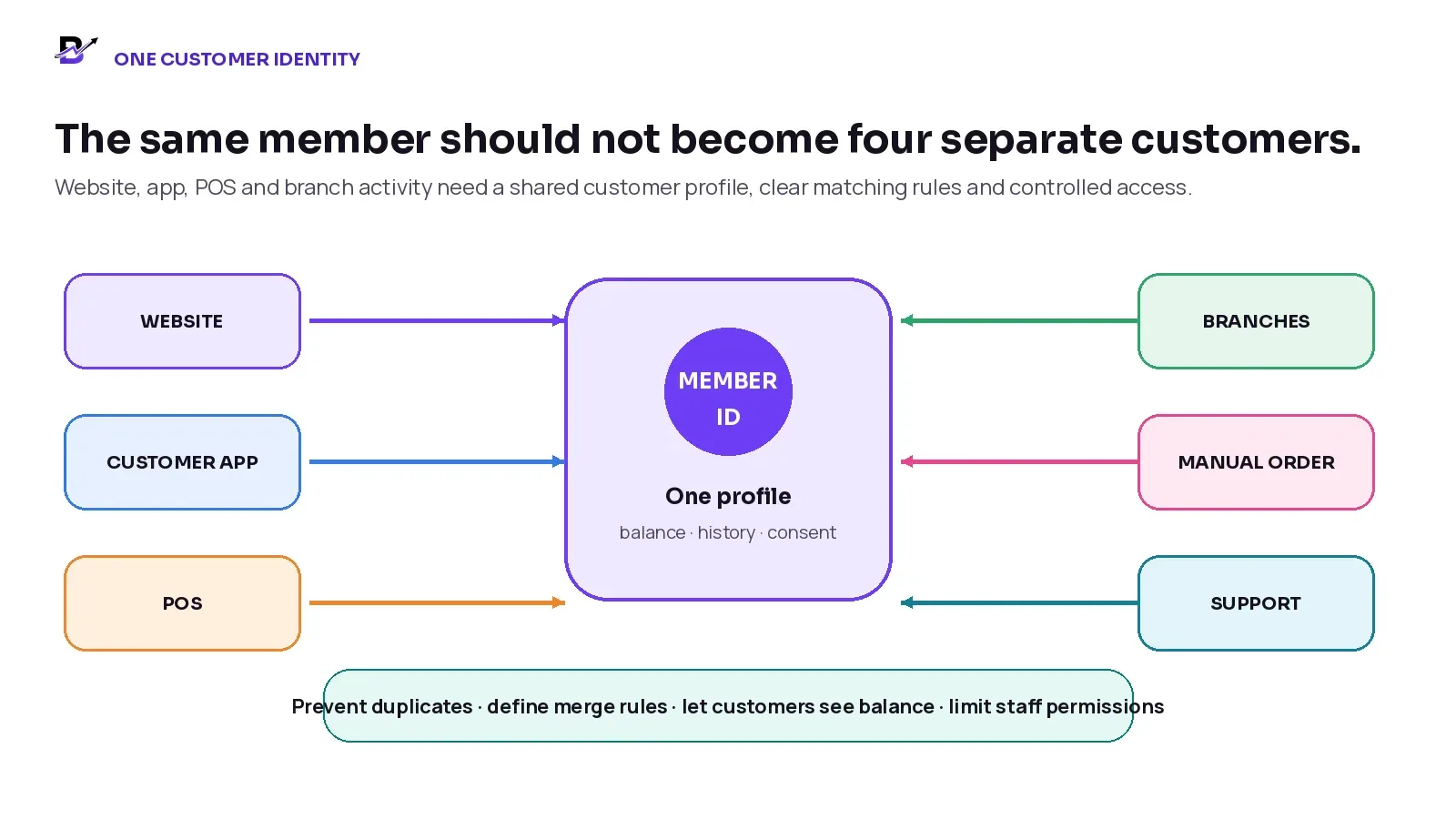
Figure 3. One shared customer identity prevents duplicated balances and inconsistent rewards.
Identity control | Good practice |
|---|---|
Primary identifier | Choose a practical member identifier such as verified phone, email or account login. Avoid using a name alone. |
Duplicate prevention | Check for an existing profile before creating a new one. Use a controlled merge process when duplicates appear. |
Channel coverage | Define how online checkout, customer apps, POS and assisted orders identify the member. |
Branch coverage | Make participating branches and exclusions visible to customers and staff. |
Balance visibility | Let the customer see available, pending, redeemed and expired value where the experience supports it. |
Staff permission | Limit manual adjustments, account merges and reward voids to authorised roles. |
Audit history | Keep the order, location, user, reason and time behind each balance change. |
A customer may buy without identifying themselves. The program should decide whether they can claim the purchase later, how long that claim remains valid and what proof is required. That is a better rule than asking staff to create duplicate profiles after every missed checkout.
7. Define loyalty actions around real order states
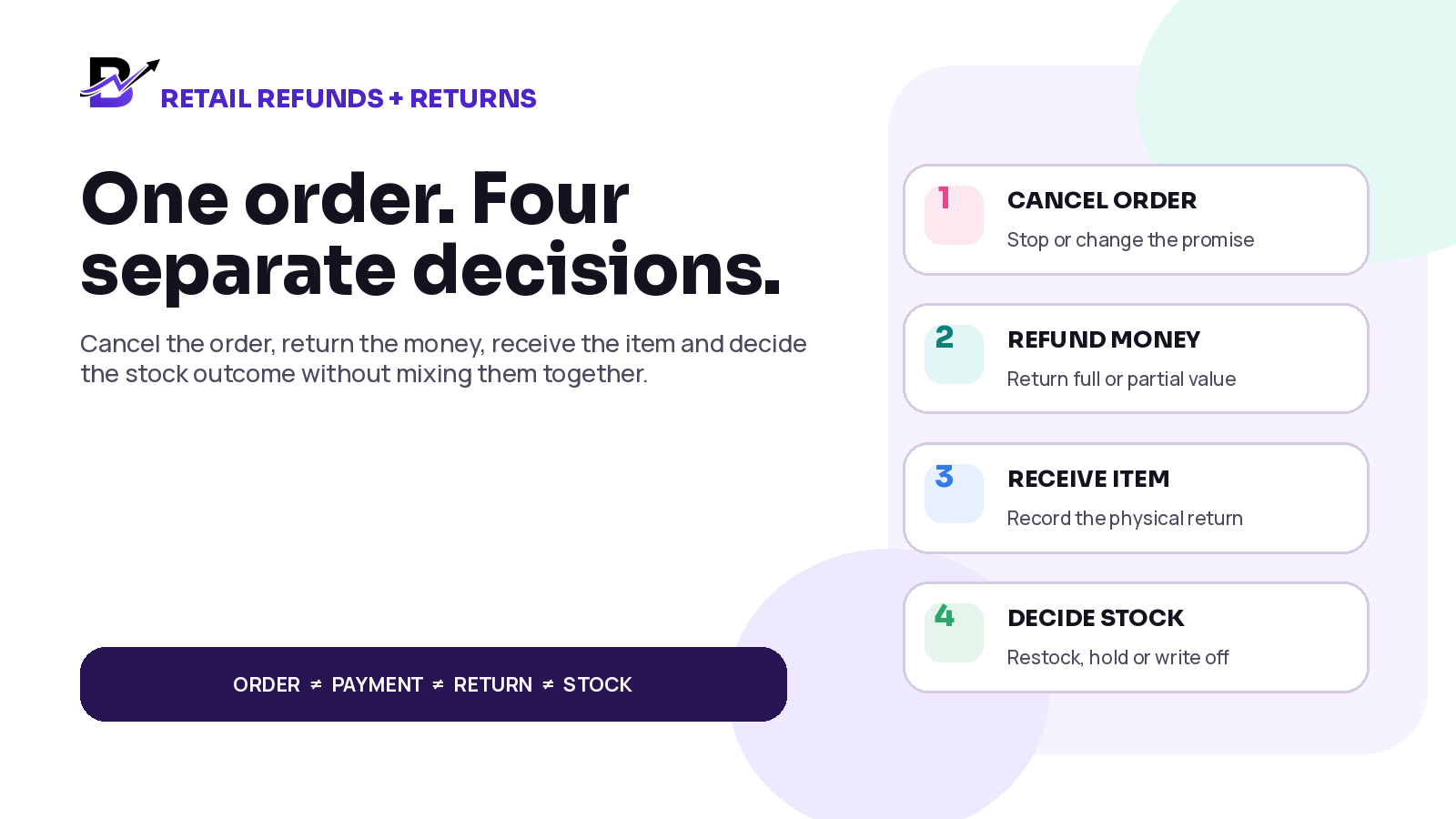
Payment, fulfilment and loyalty are connected, but they are not the same status. A paid order can still be cancelled. A delivered order can later be returned. A reward can be redeemed on an order that receives a partial refund. The loyalty balance must respond to the business outcome, not only to the first payment event.
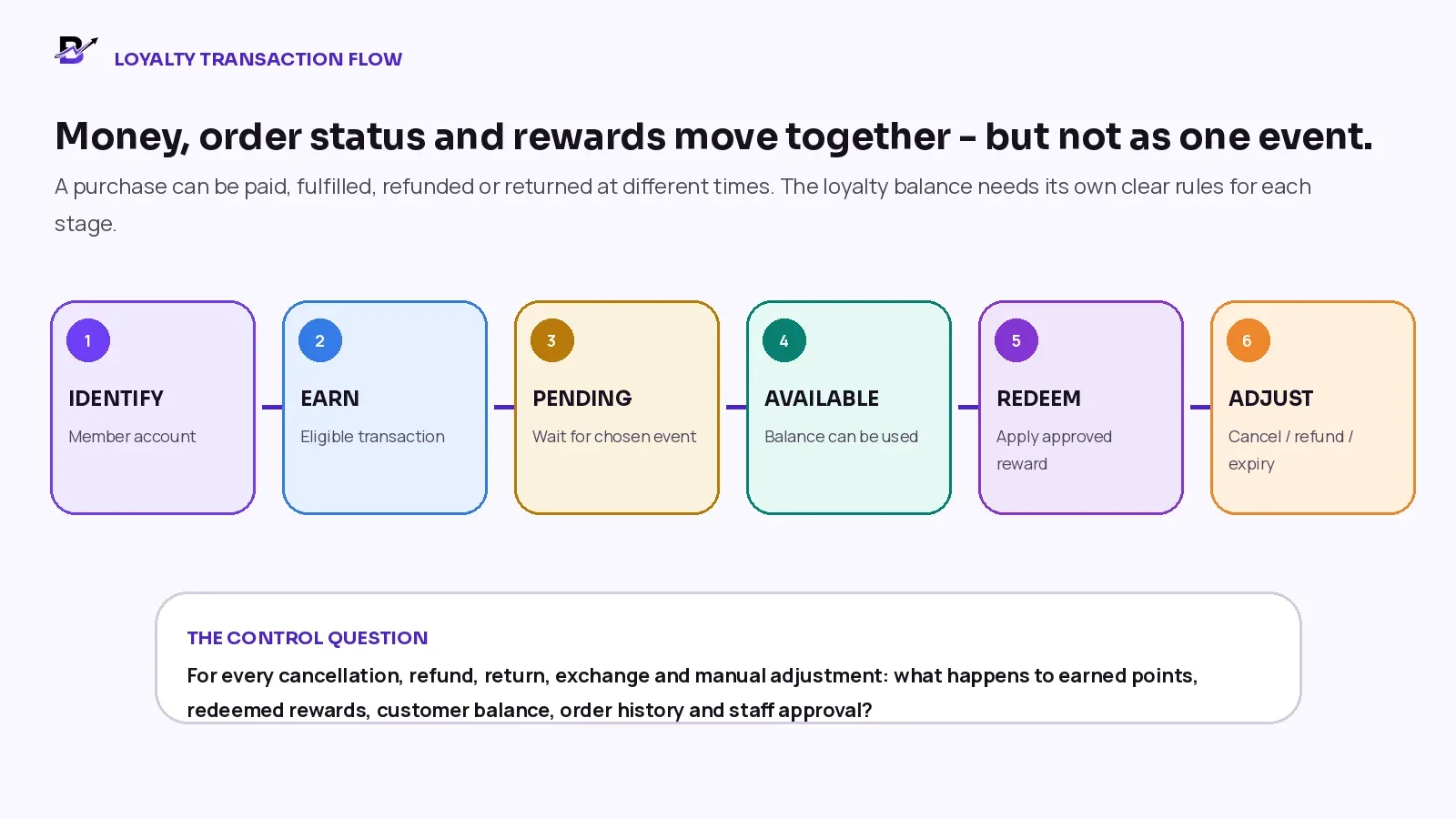
Figure 4. The loyalty balance needs its own traceable events around the order and payment lifecycle.
Order event | Possible loyalty action to define | Main control question |
|---|---|---|
Order created but unpaid | No value, or temporary pending value that cannot be redeemed. | Can an abandoned checkout create a usable balance? |
Payment successful | Create pending or earned value according to the program rule. | Is payment enough, or must fulfilment also complete? |
Order fulfilled or delivered | Make pending value available where this is the chosen trigger. | Does the product category have a meaningful return risk? |
Order cancelled | Remove pending or earned value once and keep the history. | Was any reward already issued or used? |
Full refund | Remove the value earned from the refunded transaction. Restore redeemed value only according to the written policy. | Can the member balance become negative if earned value was already spent? |
Partial refund | Adjust by refunded amount or eligible item, depending on the earning model. | Does a custom refund map clearly to the original eligible lines? |
Return accepted | Recalculate after inspection and the final financial outcome. | Is the returned item sellable, written off or exchanged? |
Exchange | Base the final value on the net eligible transaction after the exchange. | Did price or category eligibility change? |
Manual goodwill credit | Add value only with role permission, reason and visible history. | Is the credit correcting an error or creating a new promise? |
Operational examples checked 16 September 2026: Square loyalty refund guidance · Square program setup guidance.
8. Decide the refund and return rules before the first redemption
Refund rules are one of the fastest ways to reveal whether a loyalty program is truly connected. A cashier should not have to guess what happens to points or a reward while a customer is waiting.
A full refund normally needs to reverse the value earned from that purchase. A partial refund may reverse value proportionally or by eligible item, depending on the earning model. If a reward was used on the refunded order, the business must decide whether it returns to the account, expires, remains consumed or needs manager review.
Another difficult case appears when a customer earns points, spends them on a later purchase and then refunds the original earning purchase. The program may allow a negative balance, reduce future earning, adjust the cash refund where lawful and disclosed, or require a manager decision. There is no universal answer. The important requirement is a written, customer-facing and system-supported rule.
IMPORTANT — Do not let a refund automatically add physical stock or restore a reward unless the relevant return, condition and program rules are confirmed. Money, inventory and loyalty each need a separate decision.
Related Bloomlytix guide: Retail cancellations, refunds and returns workflow.
9. Make joining and using the program easy
A good program can still fail if joining interrupts checkout or customers cannot see progress. Enrollment should collect only the information the business genuinely needs and explain the value before asking for it.
Customer moment | Practical approach |
|---|---|
Online checkout | Offer a clear sign-up or sign-in path without hiding the order behind unnecessary steps. |
POS checkout | Let staff find or create the member with a reliable identifier and a short explanation. |
After purchase | Where supported, allow the customer to claim the eligible purchase from a digital receipt or verified invitation. |
Balance check | Show available value, pending value, reward progress, expiry and activity history in a simple place. |
Redemption | Present the available reward before payment is completed and confirm the final order total. |
Customer support | Let authorised staff see the transaction history and explain any adjustment. |
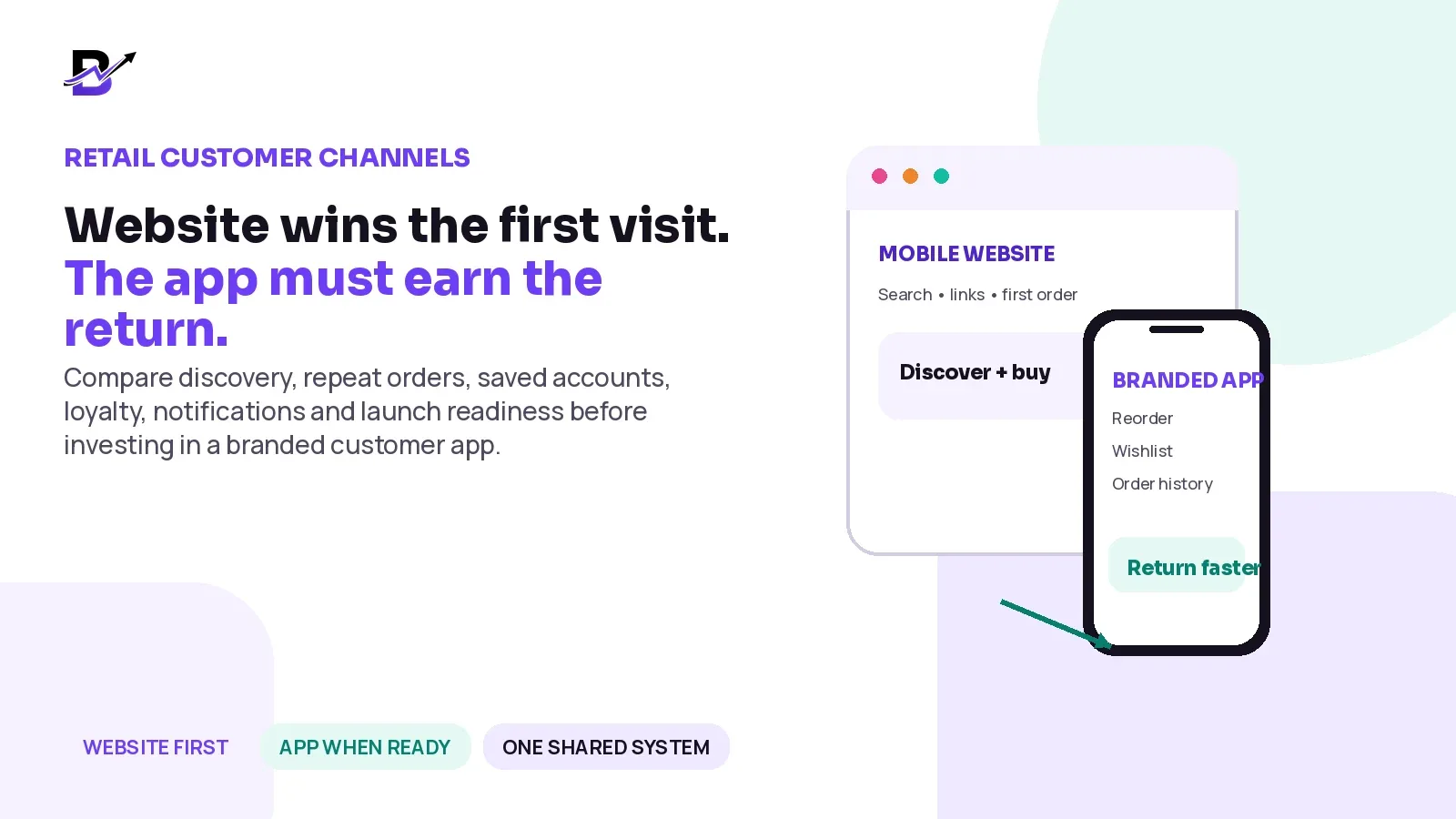
Customers do not necessarily need a mobile app to use loyalty. A website account, verified phone or email, digital receipt, web status page or POS lookup can support the journey. An app becomes useful when it adds frequent value through quick reorder, visible rewards, order history, saved details and relevant notifications.
Further reading: Does your retail business need a mobile app? · Square loyalty enrollment example.
10. Separate loyalty membership from marketing permission
A loyalty account and a marketing subscription are related, but they are not automatically the same permission. A customer may need service messages about points earned, balance changes, expiry or program terms without agreeing to every promotional message.
Use clear language about what information is collected, why it is needed, how long it is kept, who can access it and how the customer can update or close the account. Collect only the data required for the program and protect it with role-based access and appropriate security controls.
Marketing consent and privacy obligations vary by country. For example, European and UK guidance requires consent requests to be clear, specific and distinguishable from other information when consent is the basis used. The business should confirm its own lawful basis and communication rules with qualified local advisers.
PRIVACY PRINCIPLE — A loyalty program should recognise the customer without collecting more personal information than the experience and legal purpose require.
Official privacy and security sources checked 16 September 2026: European Commission consent guidance · ICO direct marketing guidance · FTC data-security guide.
11. Launch in eight controlled steps
A loyalty program should be tested like an operational workflow, not published like a one-day promotion. Use normal orders and exception scenarios before opening it to every customer and branch.
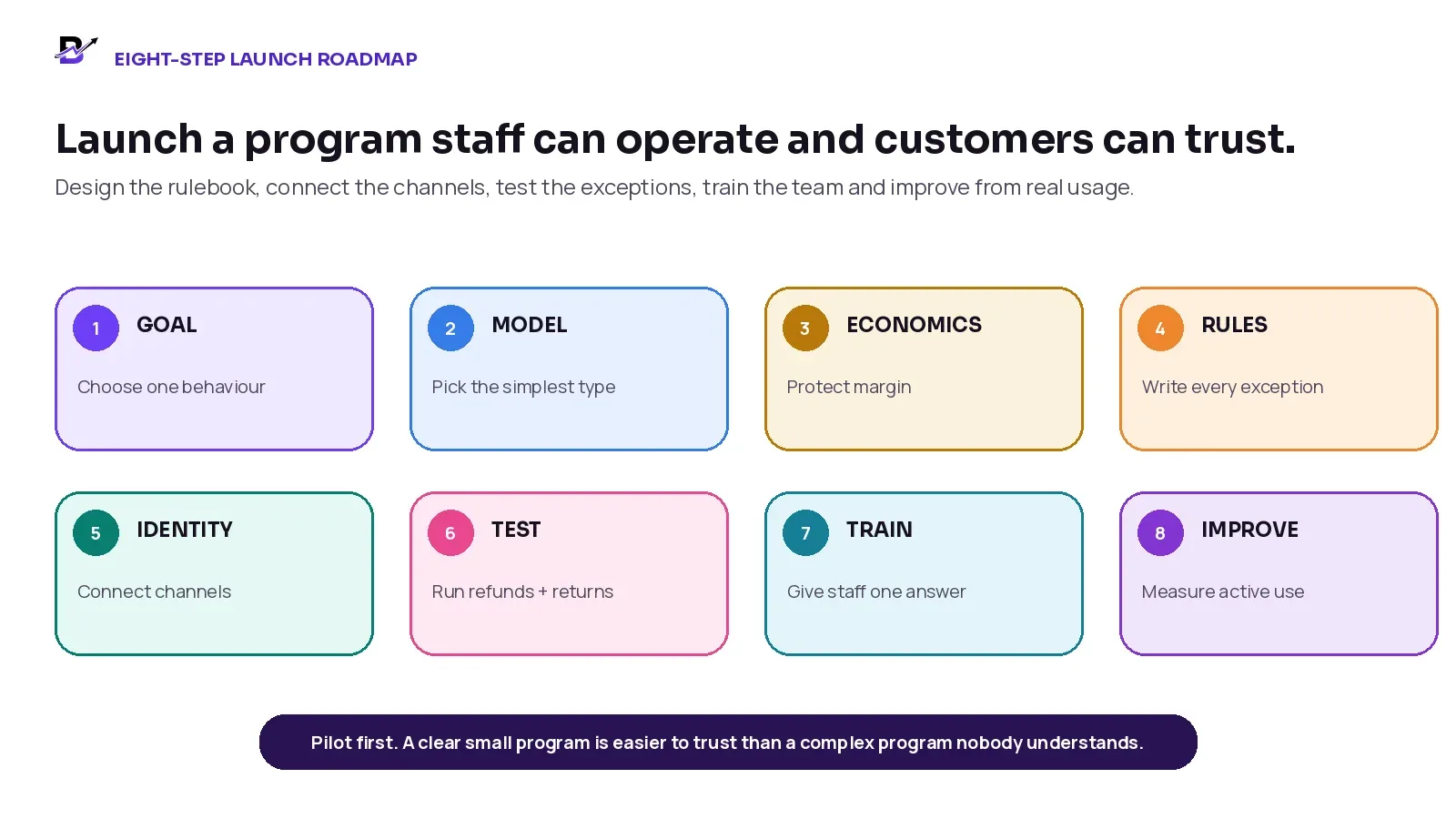
Figure 5. A controlled launch protects both customer trust and business margin.
Choose one primary behaviour and the customer group the program is intended to help.
Select the simplest model that fits purchase frequency, basket value and customer expectations.
Calculate reward face value, likely direct cost, exclusions, stacking and margin impact.
Complete the Loyalty Rule Builder, including expiry, refunds, returns, manual adjustments and program changes.
Map customer identity across website, app, POS, manual orders, branches and customer support.
Test first purchase, repeat purchase, redemption, full refund, partial refund, exchange, expired reward, duplicate customer and manual correction.
Train staff with one short explanation, a decision guide and a named escalation owner.
Pilot with a limited group or period, then review active use, customer questions, margin and correction cases before expanding.
PILOT RULE — A clear small program is easier to trust than a complex program launched everywhere before staff and systems are ready.
12. Measure active use, not only enrollment
A large member list does not prove that the program is useful. Measure whether customers understand it, use it and return in a way that remains healthy for the business.
Metric | Simple definition | What it can reveal |
|---|---|---|
Enrollment rate | New members ÷ eligible unique customers during the period. | Whether the value and sign-up path are clear. |
Active member rate | Members who earned or redeemed during the period ÷ total enrolled members. | Whether the program is being used, not only joined. |
Reward progress | Members moving toward a reward or tier milestone. | Whether the goal feels reachable. |
Redemption rate | Rewards redeemed ÷ rewards issued, using one consistent value or count method. | Whether rewards feel useful and whether the economics are sustainable. |
Repeat purchase rate | Customers with another eligible purchase ÷ customers in the chosen cohort. | Whether customers return, with care for selection bias. |
Purchase frequency | Eligible purchases per active member in a defined period. | Whether behaviour is changing for the intended category. |
Reward cost rate | Redeemed reward cost ÷ eligible member revenue. | The program’s direct cost before broader retention impact. |
Margin after rewards | Net sales minus product cost, reward cost, returns and relevant service cost. | Whether growth remains profitable. |
Outstanding reward value | Unused points, credit or issued rewards that may create future obligations. | The balance finance and operations should monitor. |
Correction and complaint rate | Manual adjustments or customer issues linked to the program. | Where rules, training or system behaviour are unclear. |
Member-versus-non-member comparisons can be misleading because frequent customers may be more likely to join in the first place. Use comparable cohorts, pre-enrollment behaviour and time-based tests where practical. The goal is to estimate incremental change, not to credit the program for loyalty that already existed.
MEASUREMENT NOTE — Do not invent a universal “good” redemption or repeat-purchase benchmark. Build a baseline from your own category, order cycle, margin and customer behaviour.
13. Match the reward to the retail category
The program should fit how customers naturally buy. The examples below are starting points for discovery, not default rules.
Retail category | Practical starting idea | Important control |
|---|---|---|
Cafe | Simple visit or item stamp for a regular drink or snack. | Define one qualifying visit, excluded items, refunds and cross-branch redemption. |
Bakery | Points or member pricing on standard products, with separate rules for custom cakes. | Protect margin and decide when made-to-order purchases become eligible. |
Florist | Spend-based points, a repeat-order benefit or occasion-focused perk. | Issue value after the delivery outcome and protect custom, corporate and refund rules. |
Gift shop | Points, member offers or early access to seasonal collections. | Keep add-ons, custom lines and discounted bundles visible in eligibility rules. |
Perfume | Spend-based rewards, samples, gift wrapping, discovery benefits or tiers. | Exclude supplier-controlled or low-margin items where needed; confirm returns and authenticity-related rules. |
Jewellery | Service benefits, early access, recognition and carefully controlled rewards. | Avoid unclear discounting on high-value products; define secure identity, returns and approval limits. |
14. How Bloomlytix can support a connected loyalty journey
Bloomlytix is designed as one ecommerce and retail operating system for specialty businesses. The platform connects the customer-facing website and eligible customer apps with POS, customer accounts, order history, offers, fulfilment, stock, payments, branches, delivery and reporting around shared business data.
Within that connected context, Bloomlytix supports customer rewards and loyalty-ready journeys alongside coupons, offers, quick reorder, saved account details, order history and configured communications. Confirm the exact earning, redemption, expiry, refund and reporting setup during discovery. A customer app is not required for every program, but Growth and Pro plans add branded Android or Android-and-iOS customer channels respectively, subject to the current plan and launch scope.
Bloomlytix area | Possible role in the loyalty journey |
|---|---|
Shared customer account | Keep permitted customer details, addresses and order history connected across configured channels. |
Ecommerce + customer apps | Show products, offers, account history, quick reorder and customer-facing retention journeys. |
POS + branches | Recognise the customer during counter sales and keep branch transactions in the same operating context. |
Orders + refunds | Connect reward decisions to the real order, payment and refund outcome instead of a separate marketing spreadsheet. |
Offers + notifications | Support configured coupons, app-exclusive offers, loyalty updates and relevant campaign messages. |
Reports | Review repeat purchase, campaign, customer and sales activity where the required data is available. |
PRODUCT SCOPE — Confirm the exact live loyalty configuration during discovery. Do not assume a particular points engine, cashback automation, tier system, referral program, accounting treatment, coalition program, third-party integration or revenue result unless it is demonstrated and included in the written scope.
Bloomlytix product and plan sources checked 16 September 2026.
Questions to ask during a loyalty-program demo
Which customer identifier connects online, app, POS and branch purchases?
Can the same member earn and redeem across the channels and locations we choose?
Which program models are live and standard: stamps, points, cashback, member pricing or tiers?
Can we exclude specific products, categories, fees, discounts or order types from earning and redemption?
When does value become pending, available, redeemed, expired or void?
How do full refunds, partial refunds, returns and exchanges adjust earned and redeemed value?
Can the balance become negative, and which staff member can correct it?
Can customers see balance, history, reward progress, expiry and program terms?
Can staff explain the reward at POS without leaving the sale screen or using a separate spreadsheet?
Which roles may change rules, merge customers, void rewards or make manual adjustments?
Which reports show active members, redemption, repeat purchase, reward cost, outstanding value and margin impact?
What is included in the plan, what needs configuration, and what requires custom development or a third-party service?
Frequently asked questions
What type of loyalty program works best for a small retailer?
The best starting model is usually the simplest one that fits the purchase pattern. A cafe may use a visit or item stamp. A retailer with varied basket values may prefer spend-based points. A low-frequency premium business may create member benefits or service perks instead of a large discount.
Should loyalty points work online and at POS?
They should work across both channels only when the same customer identity, eligible product rules, balance, refund logic and staff permissions can remain consistent. A smaller program limited to selected channels is better than an “omnichannel” promise that produces different balances.
What happens to points after a refund?
The value earned from the refunded transaction should normally be removed according to the program model. Full and partial refunds may behave differently. If the customer also used a reward, the business needs a written rule for restoring, retaining or reviewing that redeemed value.
How can a loyalty program protect margin?
Calculate the reward rate and direct cost before launch. Exclude unsuitable categories, set redemption limits, control stacking, use item rewards with known cost where appropriate and measure redeemed reward cost and net margin instead of assuming every repeat purchase is profitable.
Do customers need an app to use loyalty?
No. A program can use a website account, verified phone or email, digital receipt, POS lookup or web balance page. A branded app can improve visibility, quick reorder and notifications when customers have a reason to use it regularly.
Should points expire?
Expiry is a business and legal decision. If the program uses expiry, the period, calculation, notices and treatment of issued rewards should be clear. Avoid surprising customers with hidden or changing expiry rules.
Can the loyalty rules change later?
Yes, but changes should be controlled. Decide the effective date, explain how existing points and issued rewards are treated, inform customers and staff, and test the new rules before applying them. Some systems apply changed thresholds to existing balances, which can create confusion if the transition is not explained.
Operational reference checked 16 September 2026: Square guidance on changing loyalty program settings.
Final loyalty-program checklist
The program has one primary business goal and one clearly defined customer behaviour.
The model fits the category, purchase frequency, basket value and margin.
Customers and staff can explain the earning and redemption promise in simple language.
Eligible products, channels, branches, fees and exclusions are written down.
Pending, available, redeemed, expired and adjusted balances have clear events.
Full refunds, partial refunds, returns, exchanges and cancellations are tested.
One customer identity works across the intended website, app and POS journeys.
Duplicate profiles, account merges and manual adjustments have controlled permissions.
Membership, service messages and marketing permission are treated appropriately.
Reward cost, outstanding value, repeat purchase, active use, complaints and margin are measured.
The customer-facing terms match the live software behaviour.
The program starts with a pilot and has a named owner and review date.
Map one real customer reward journey. — Bring one purchase, one reward, one refund and your preferred customer channel to a tailored Bloomlytix demo.