Ramadan and Eid retail planning works best when product, stock, staff, payment and delivery decisions are made early.
Ramadan demand does not behave like one normal promotion that lasts for a month. A customer may browse before Ramadan, order a gift after sunset, send a corporate bundle to several recipients, schedule an iftar pickup, choose an Eid fragrance set or ask for delivery while offices, malls and staff hours are changing.
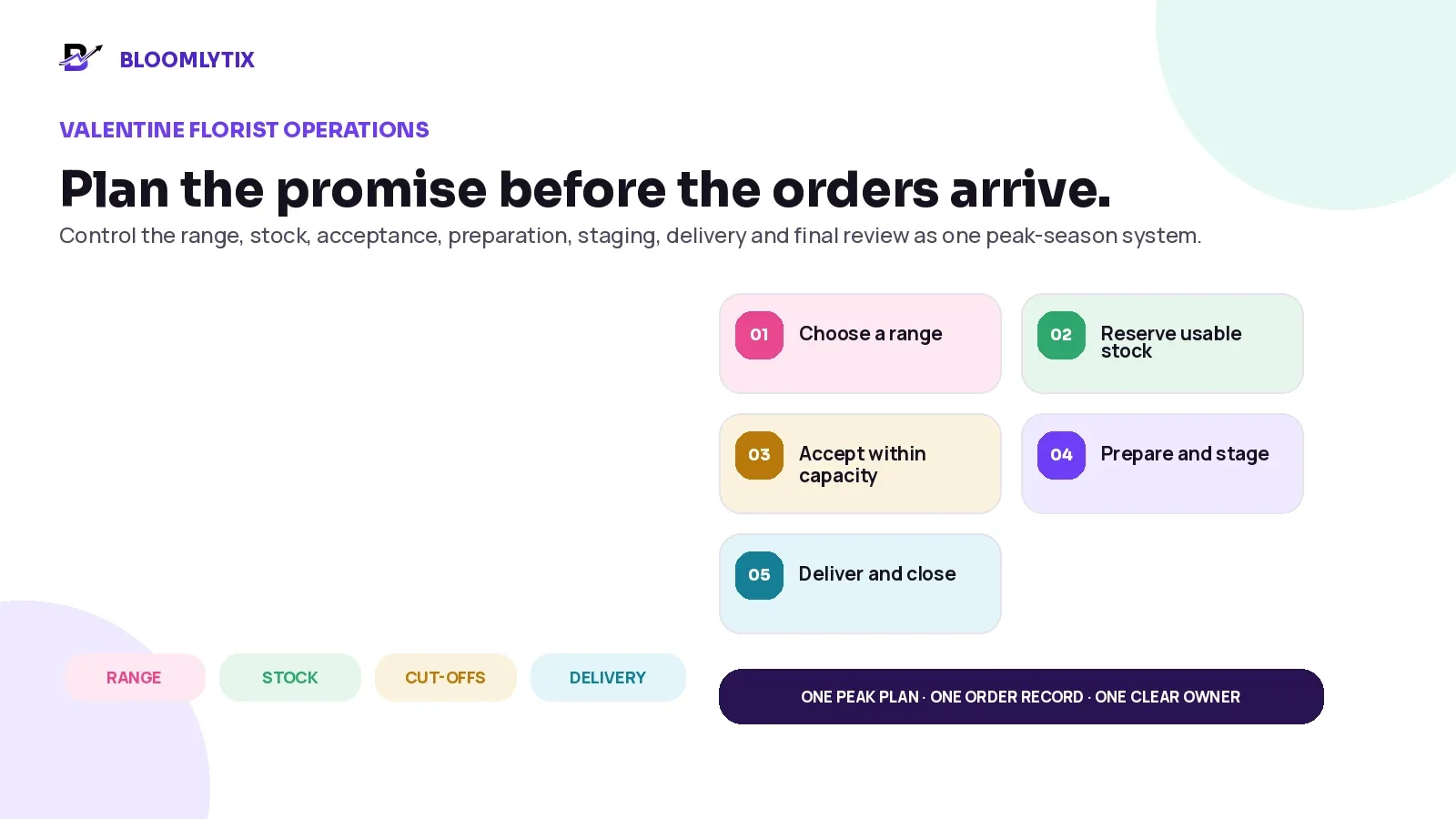
The operational mistake is using one campaign page, one stock total and one delivery promise for every part of the season. A safer plan separates the phases, confirms what the business can fulfil, and keeps the same approved order context moving from the customer channel to the branch, staff, payment, stock and delivery teams.
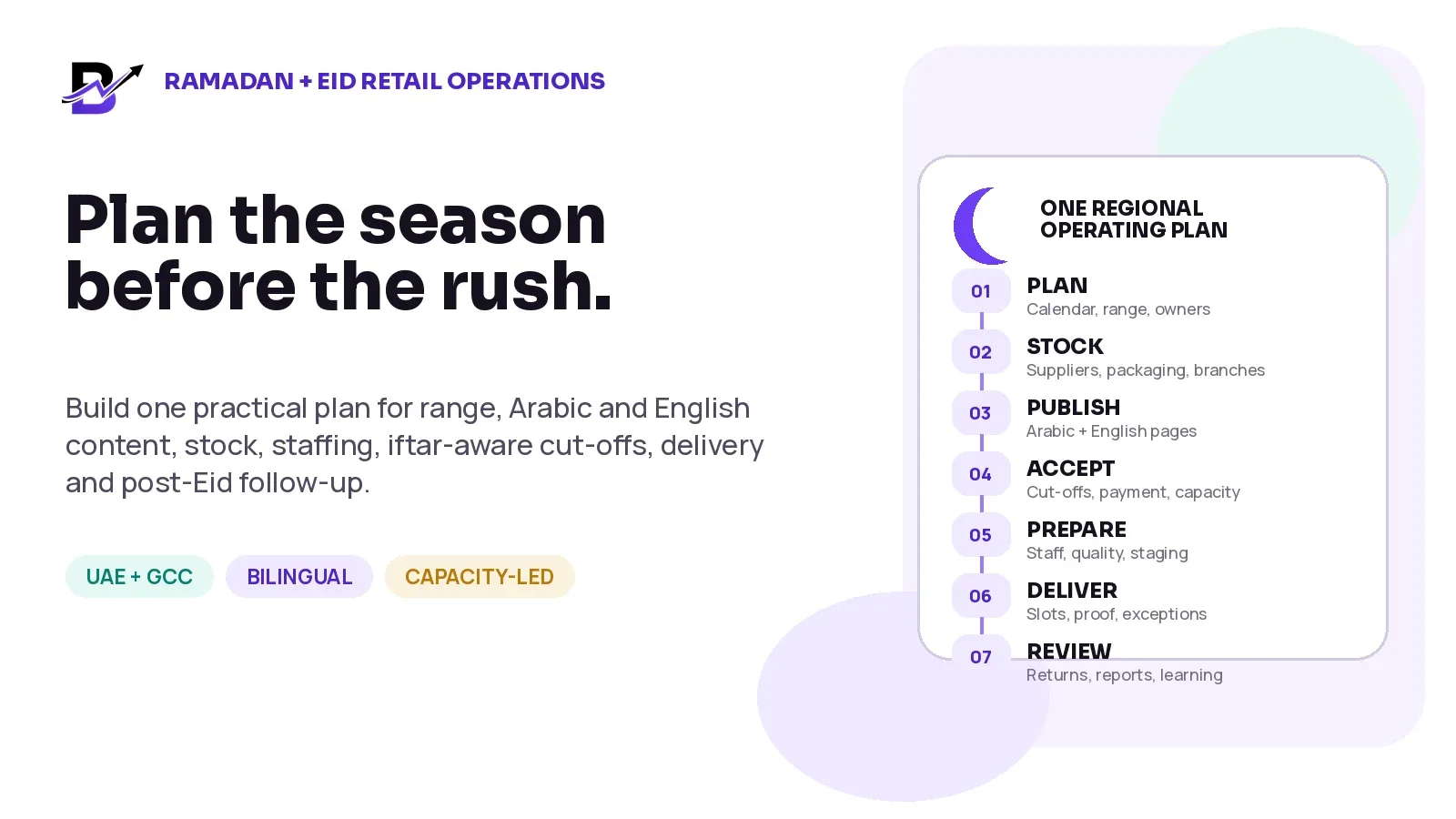
DIRECT ANSWER. Prepare Ramadan and Eid as several connected operating phases. Confirm the official local calendar closer to the season, choose a range your team can repeat, review Arabic and English pages, protect stock and packaging, adapt shifts and store hours, define iftar-aware order cut-offs and delivery capacity, keep every confirmed order in one structured workflow, and plan substitutions, returns and post-Eid reconciliation before demand increases.
This guide is for florists, gifting brands, bakeries, cafes, perfume shops, jewellery retailers and other specialty businesses selling in the UAE or wider GCC. It is practical operations guidance, not legal, tax, religious or labour-law advice. Country rules and official dates must be checked with the relevant authorities and qualified advisers.
2027 planning dates: use forecasts, not fixed promises
Astronomical planning forecasts currently place the first day of Ramadan 1448 AH around Monday, 8 February 2027. Eid Al Fitr is expected around 9 or 10 March 2027, depending on whether Ramadan lasts 29 or 30 days. The official beginning and end of the month are confirmed by the relevant moon-sighting authorities in each country.
For a 24 November publication date, this gives a retailer roughly 10 to 11 weeks to prepare. That is enough time to make useful decisions, but not enough time to postpone supplier commitments, Arabic content review, corporate approvals and test orders until the final week.
2027 PLANNING NOTE. Use 8 February and 9-10 March as planning markers only. Avoid presenting any first day, holiday schedule, final delivery cut-off or working-hour rule as official until the relevant national authority confirms it. Recheck all dates immediately before publication, again before Ramadan and again before Eid.
In this guide
Why Ramadan and Eid need more than one campaign plan
A practical 10-11 week countdown from planning to post-Eid review
How to choose a range the team can prepare repeatedly
How to protect stock, packaging, supplier receipts and branch availability
How to build Arabic and English pages without losing operational details
How to plan staffing, cut-offs, pickup and delivery around local reality
How to manage corporate gifting, substitutions, returns and exceptions
Which metrics help owners control the season day by day
How Bloomlytix can connect the customer promise to the shop workflow
1. Ramadan and Eid are several operating phases, not one long sale
Customer routines, product choices, staff availability and delivery pressure can change throughout the season. The exact pattern will differ by country, city, industry and customer base. The purpose of the phases below is not to predict sales; it is to stop the business from applying one rule to several very different operating conditions.
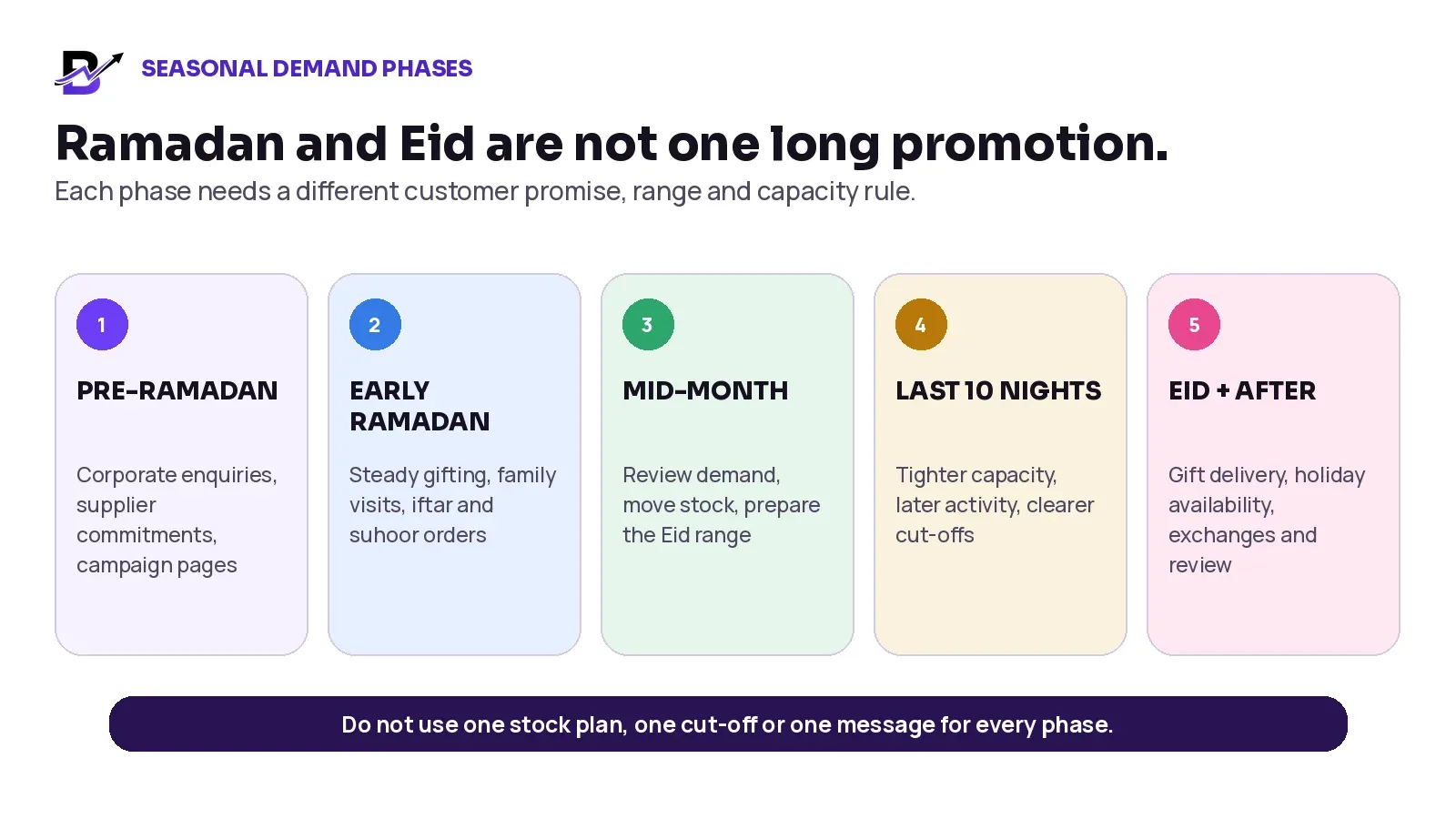
Figure 1. Separate the season into phases so range, capacity, content and delivery rules can change when the operation changes.
PHASE | WHAT MAY CHANGE | OPERATING RESPONSE |
|---|---|---|
Pre-Ramadan | Corporate enquiries, supplier commitments, campaign pages, samples and staff planning. | Do not wait for the official first-day announcement to start operational preparation. |
Early Ramadan | A retailer may see steady gifting, iftar or suhoor orders, home visits and customer questions. | Start with measured capacity and review actual demand before expanding. |
Mid-Ramadan | Use real orders to adjust the range, move stock between branches and prepare the Eid transition. | Do not keep purchasing the first forecast after the customer mix becomes clear. |
Last ten nights | Family and worship routines can change; later trading and tighter delivery pressure may appear. | Use earlier cut-offs, simpler products and wider windows where the data supports them. |
Eid and after | Celebration gifting, holiday closures, recipient travel and exchanges can change the workflow again. | Keep customer service, returns and reconciliation staffed after the main selling peak. |
CORE PRINCIPLE. The campaign should change when the customer promise changes. A Ramadan iftar pickup, a corporate gift delivery and an Eid exchange are not the same order type.
2. Build a countdown that protects the launch
A useful countdown assigns decisions to dates. It does not simply say “prepare early.” The following sequence uses the current 2027 forecast as a planning window. Move the milestones if the official calendar or supplier lead times change.
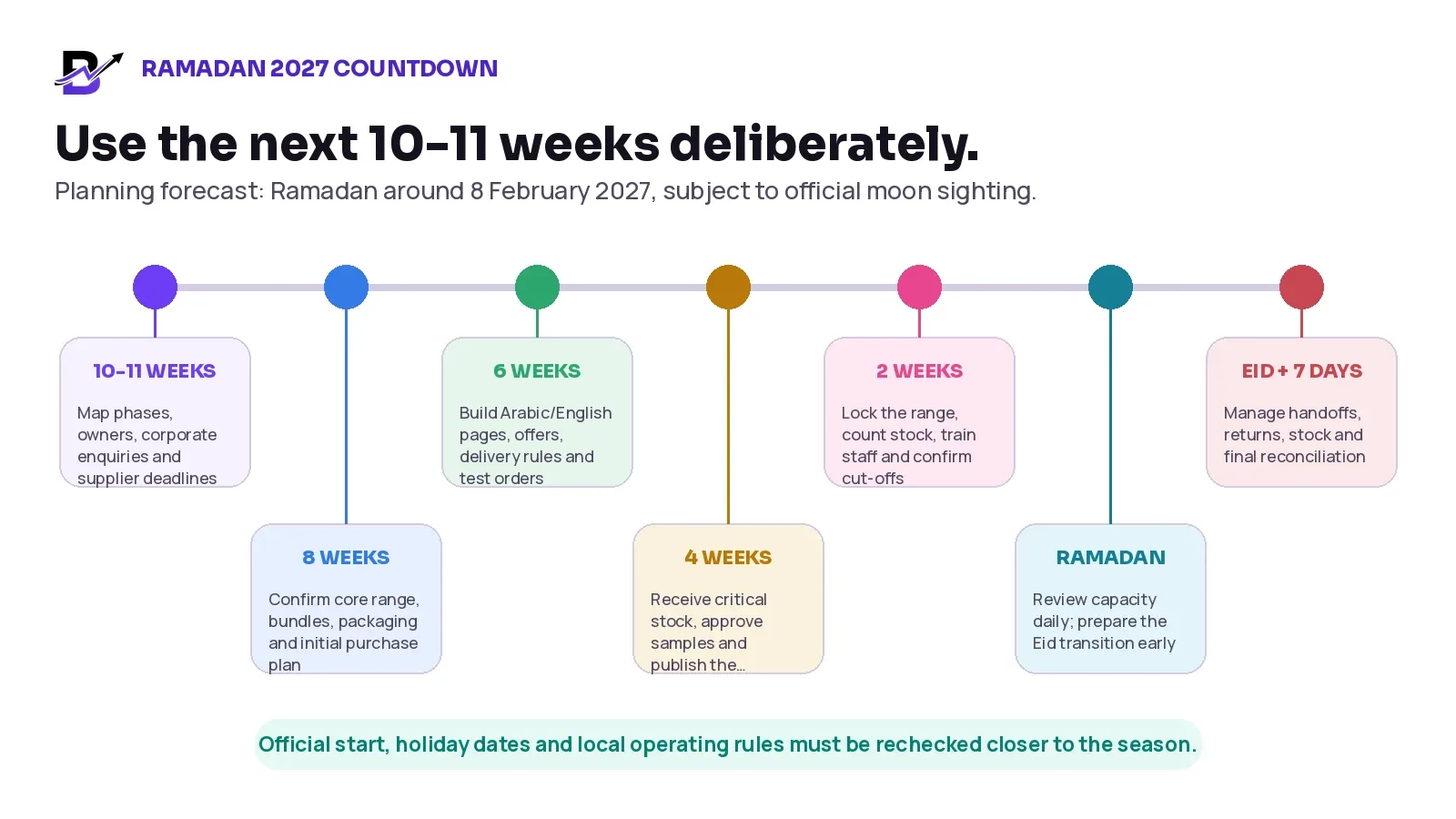
Figure 2. The countdown protects supplier, content, staffing and testing work from being compressed into the final days.
WHEN | MAIN DECISION |
|---|---|
10-11 weeks before | Review last year, define phases, name owners, open corporate enquiries and confirm supplier deadlines. |
8 weeks before | Approve the core range, bundles, packaging, quantities, branch allocation and first purchase plan. |
6 weeks before | Build Arabic and English pages, offers, delivery rules, customer messages and test orders. |
4 weeks before | Receive critical stock, approve samples, complete product photography and publish the evergreen campaign pages. |
2 weeks before | Lock high-risk custom work, complete stock counts, train staff, confirm shifts and communicate cut-offs. |
During Ramadan | Review the order queue, stock, capacity and delivery exceptions every day; prepare the Eid transition early. |
Eid + 7 days | Keep returns and service coverage active, close open deliveries, reconcile stock and payments, and document lessons. |
3. Choose a product range the team can fulfil repeatedly
A seasonal range should make the customer choice easier and the operational promise clearer. The safest range is not necessarily the largest one. It is the range the team can price, stock, prepare, check, pack and deliver consistently across the channels where it is offered.
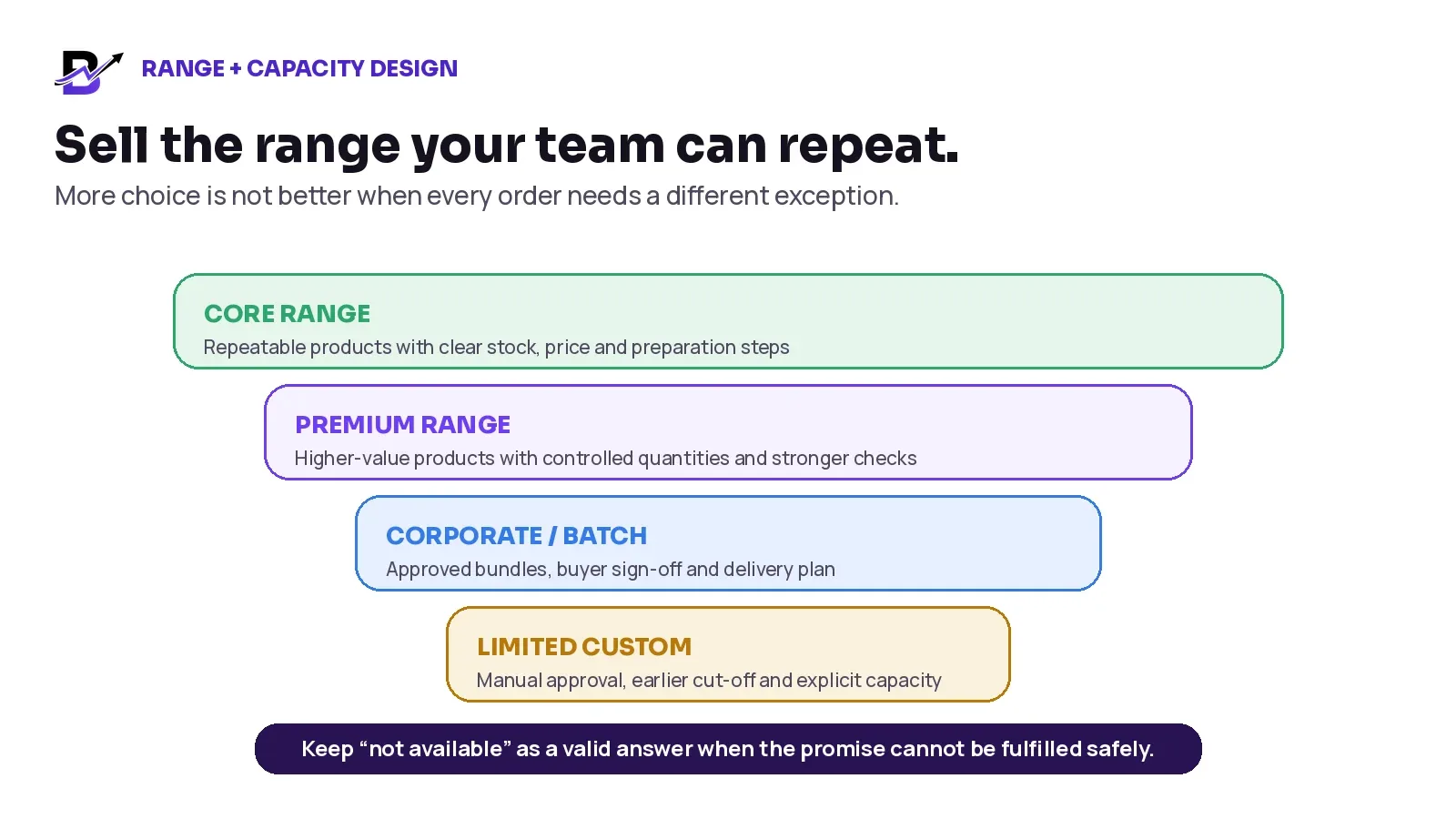
Figure 3. Give each range level its own stock, approval, preparation and cut-off rule.
RANGE | USE IT FOR | MAIN CONTROL |
|---|---|---|
Core range | Repeatable products or bundles with approved price, stock rule, preparation steps and delivery eligibility. | Keep available across the main channels while capacity remains safe. |
Premium range | Higher-value products with controlled quantities, stronger quality checks or secure handoff. | Show real availability and avoid unlimited ordering. |
Corporate / batch | Approved sets with buyer sign-off, quantities, branding, recipient plan and payment terms. | Use separate production and delivery milestones. |
Limited custom | One-off florals, cakes, engraving, special packaging or unusual sourcing. | Require manual approval and an earlier cut-off. |
Unavailable / quote only | Requests that cannot be promised safely through normal checkout. | Offer a realistic alternative or decline clearly. |
Use an industry-specific range, not one generic “Ramadan collection”
BUSINESS | POSSIBLE RANGE DIRECTION | OPERATIONAL DETAIL TO PROTECT |
|---|---|---|
Florists and gifting | Ramadan arrangements, dates or chocolate add-ons, home gifts, corporate sets and Eid bouquets. | Substitutions, greeting messages, recipient details and delivery windows. |
Bakeries and cafes | Pre-order desserts, iftar boxes, pickup bundles, packaged products and selected seasonal items. | Preparation capacity, food handling, pickup timing and product availability. |
Perfume shops | Oud, attar, oils, fragrance sets, discovery sets, gift wrapping and cards. | Exact size or concentration, branch stock, packaging and gift-ready handoff. |
Jewellery retailers | Gift-ready pieces, approved sizes, premium packaging and secure pickup or delivery. | Product identity, payment, stock reservation, inspection and recipient handoff. |
Other specialty retail | Curated bundles, gift cards, household gifts or occasion add-ons. | Bundle contents, stock ownership, channel availability and return policy. |
RANGE RULE. If a choice changes stock, price, preparation, delivery or customer expectation, it needs a clear field or approval - not an invisible note that only one employee understands.
4. Let the smallest component set bundle capacity
A bundle can be available only when every required component is available. A fragrance gift set may have enough bottles but too few boxes. A cake box may have enough product but not enough labels. A florist may have flowers but not enough premium vases or delivery-safe packaging.
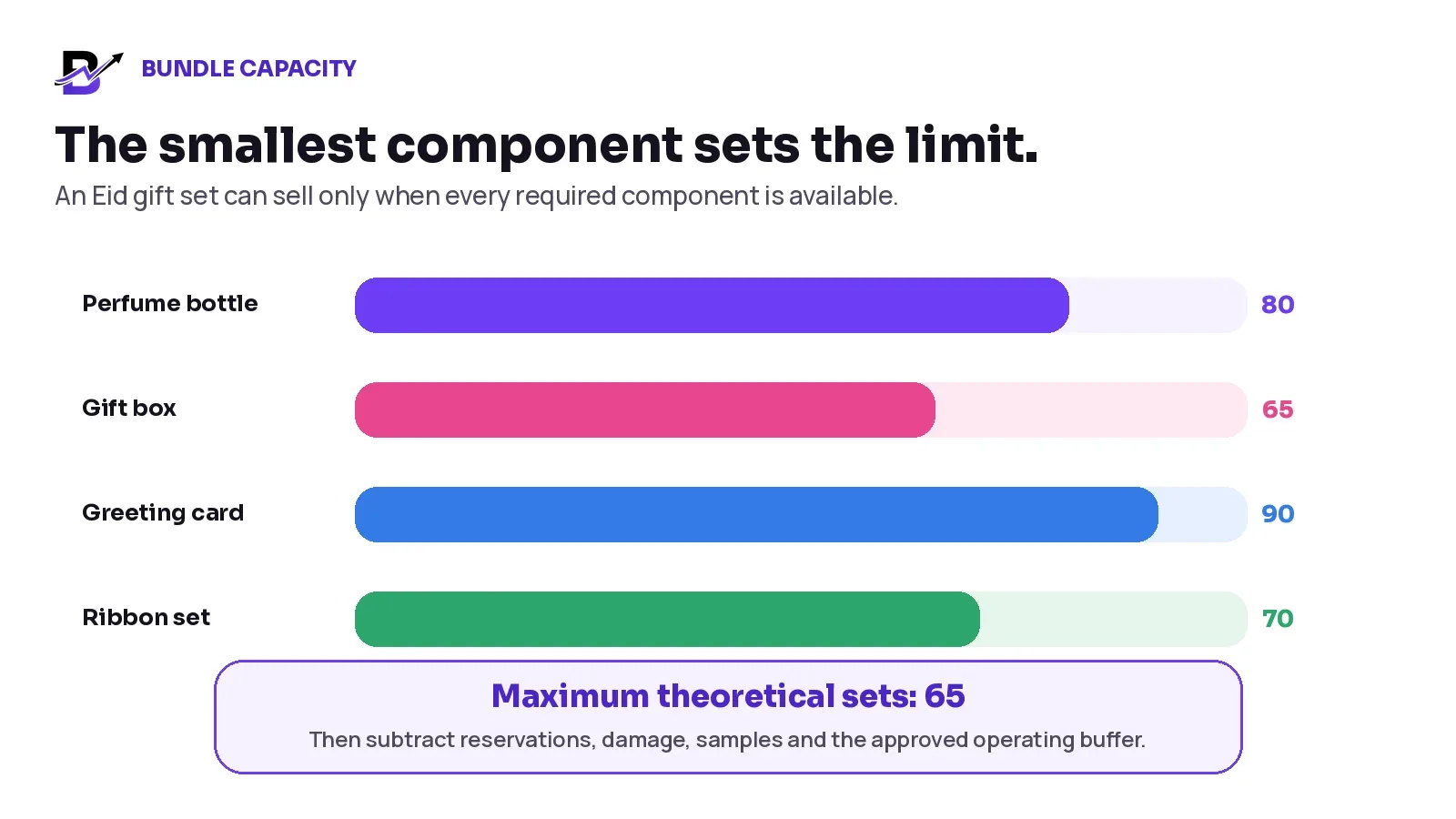
Figure 4. A bundle is limited by its smallest required component, before reservations and operating buffers are considered.
In the worked example, the business has 80 perfume bottles, 65 gift boxes, 90 greeting cards and 70 ribbon sets. The maximum theoretical output is 65 complete gift sets because the gift box is the limiting component. The safe sellable number may be lower after reservations, damage, samples, display stock and the business’s approved buffer are considered.
CONTROL | WHAT TO VERIFY |
|---|---|
Starting sellable stock | Count only stock the branch can actually use or sell. |
Confirmed incoming | Include only receipts with a reliable supplier commitment and receiving date. |
Reserved orders | Subtract paid or approved orders according to the business reservation rule. |
Unavailable stock | Exclude damage, quality hold, display, sample or other non-sellable units. |
Operating buffer | Protect critical products, packaging or delivery capacity from normal uncertainty. |
Branch position | Check where the stock is physically held, not only the company total. |
WORKING FORMULA. Planned available quantity = starting sellable stock + confirmed receipts - reserved orders - unavailable stock - approved operating buffer. Use this as a planning model, then adapt it to the actual inventory rules of the business and system.
5. Build Arabic and English pages as complete buying journeys
Ramadan and Eid content should feel natural in the customer’s language and remain operationally accurate. Translating only the hero headline is not enough. Product details, bundle contents, delivery areas, cut-offs, returns, checkout labels, confirmation messages and customer-service instructions must agree in every published version.
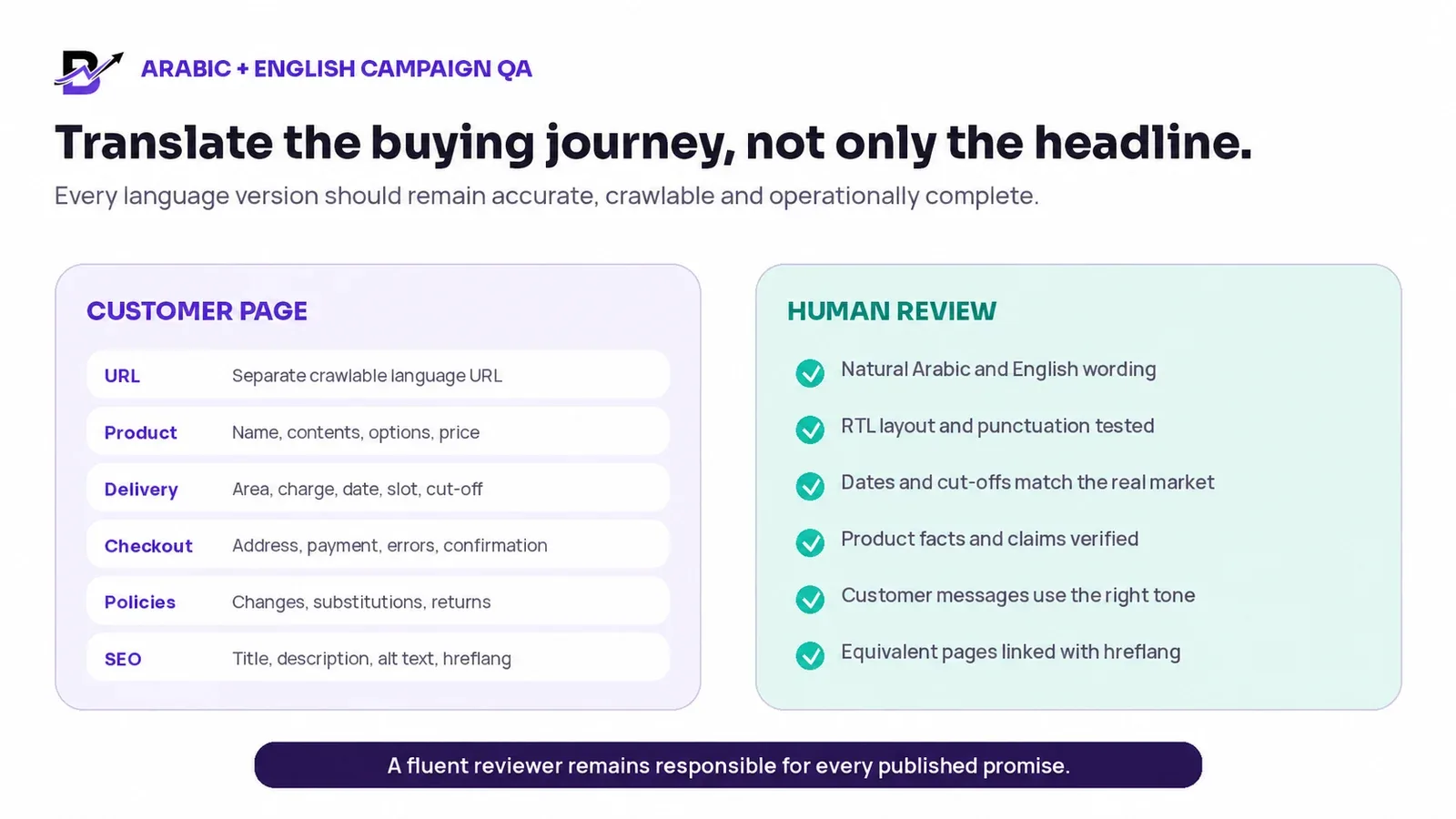
Figure 5. Review the full buying journey in each language, not only the promotional copy.
AREA | PRODUCTION RULE |
|---|---|
Separate URLs | Use a crawlable URL for each language or market version and connect equivalents with reciprocal hreflang. |
Natural wording | Use a fluent reviewer for product names, occasion language, delivery conditions and customer messages. |
Right-to-left layout | Test Arabic navigation, punctuation, numbers, forms, product options, buttons and order summaries. |
Operational facts | Keep prices, bundle contents, stock, dates, zones, cut-offs, return rules and contact methods consistent. |
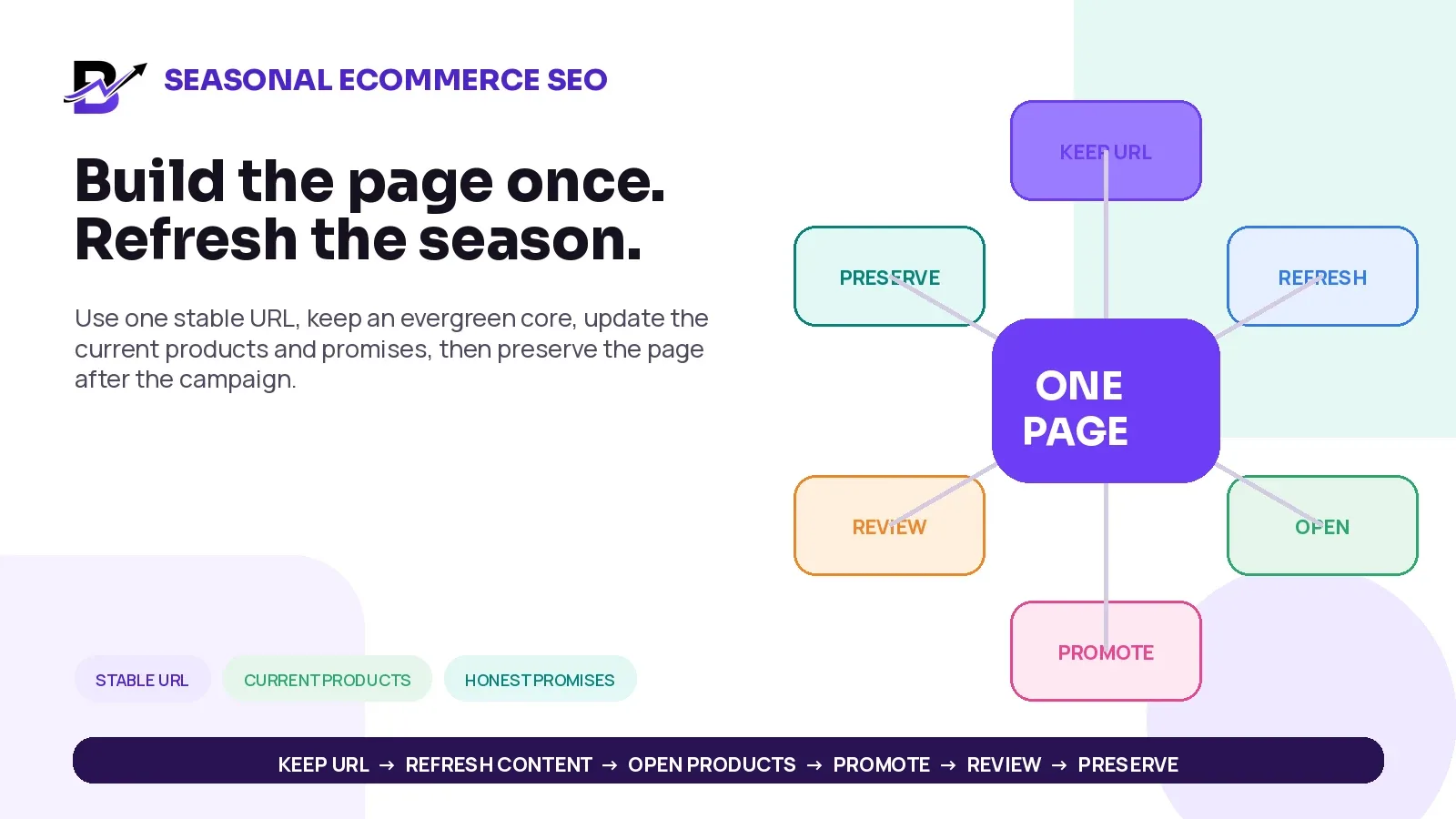
Stable seasonal URL | Refresh a useful Ramadan or Eid page every year instead of deleting the page and starting again. |
Final review | Have an authorised fluent reviewer check the complete published promise. |
CONTENT SAFETY. Avoid generic “Middle East” wording, religious stereotypes, unsupported sales claims or decorative Arabic that has not been checked. Respectful content begins with accurate products, useful service information and a realistic promise.
6. Staff the real operating day, not the normal timetable
Ramadan working-hour rules, public-sector circulars, mall schedules and holiday arrangements vary by country, sector and year. A regional business should never copy one staffing rule across every GCC market.
For example, current UAE government guidance states that private-sector working hours are reduced by two hours per day during Ramadan. Saudi labour guidance limits actual Ramadan working hours for Muslim workers to six hours per day or 36 hours per week. Oman and Qatar also publish their own rules. These examples show why a regional plan needs local HR and legal confirmation before shifts are issued.
MARKET | WHAT TO VERIFY | OPERATING RESPONSE |
|---|---|---|
UAE | Verify private-sector reduced hours, public holiday dates, mall or branch schedules and local transport conditions. | Build shifts around the local rule; do not treat late mall hours as permission to extend every employee’s day. |
Saudi Arabia | Verify the current Ramadan-hour rule, sector exceptions, public holiday and local authority announcements. | Separate staffing coverage from individual working-hour limits. |
Oman / Qatar / Bahrain / Kuwait | Use the official labour law and current Ramadan circulars for the relevant market. | Do not apply a UAE or Saudi schedule automatically. |
Build coverage around the handoffs
ROLE | COVERAGE TO PROTECT |
|---|---|
Customer service | Questions, Arabic/English support, order confirmation and change approval. |
Branch or production | Preparation, quality, packaging, ready time and stock exceptions. |
Counter / pickup | POS, queue control, customer identification and handoff. |
Dispatch / delivery | Ready-order queue, driver breaks, slot risk, failed attempts and proof. |
Manager | Capacity decisions, substitutions, refunds, staff escalation and daily review. |
Closing team | Cash, payment, stock, open orders, returns and unresolved exceptions. |
SHIFT RULE. Longer opening hours do not mean one employee should work a longer day. Use compliant shifts, breaks, role coverage and handoffs that reflect the local labour rule and the business’s real peak periods.
7. Set iftar-aware order cut-offs and delivery windows
The exact iftar time changes by date and city. Customer activity, staff breaks, road conditions, building access and mall traffic can also change around sunset. The website should not promise a narrow window simply because the calendar can display it.
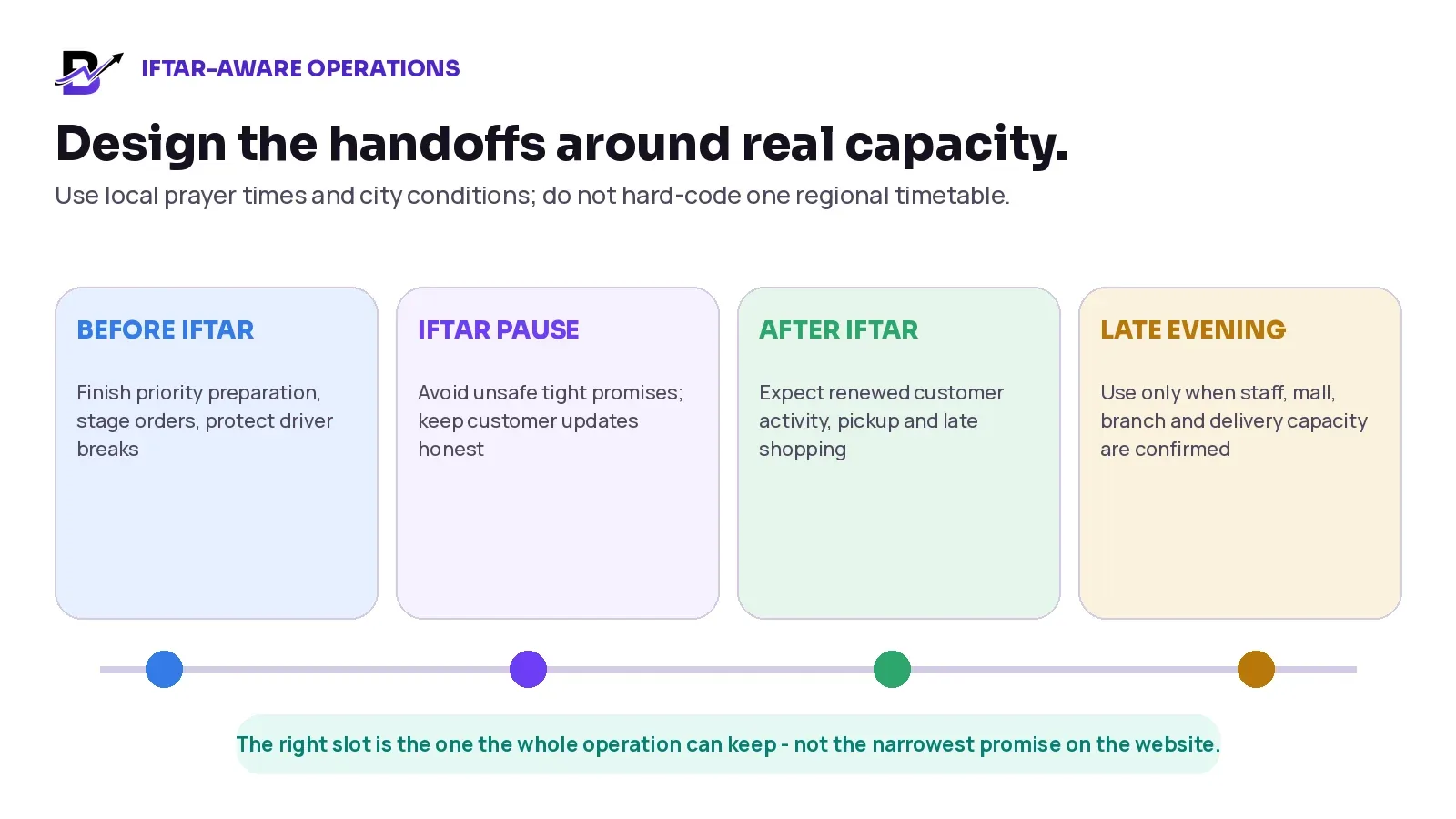
Figure 6. Use local prayer times and measured capacity to design the handoffs around iftar.
UAE government guidance notes that malls often stay open late during Ramadan and that taxi availability can be more difficult in the evening while many drivers break their fast. A retailer should treat this as a signal to test local transport and driver capacity, not as a universal timetable for every city or fleet.
PERIOD | OPERATING ACTION | RISK TO AVOID |
|---|---|---|
Before iftar | Finish high-priority preparation early, stage ready orders by slot and protect driver breaks. | Do not accept late custom work into a window that is already full. |
Iftar period | Use realistic buffers and clear customer updates. | Avoid “exact time” promises unless the operation can truly support them. |
After iftar | Expect pickup, online questions and customer activity to resume or increase in some markets. | Keep payment, counter, branch and customer-service coverage aligned. |
Late evening | Offer only the products, branches and delivery areas that still have safe capacity. | Do not let a late-closing mall page create an unsupported delivery promise. |
Suhoor / early morning | Use only for relevant food, cafe or special operations with measured demand and compliant staffing. | Do not create a special service because the label sounds seasonal. |
CAPACITY FORMULA. Safe accepted orders = the lowest reliable capacity across product or bundle stock, preparation staff, pickup or delivery slots, payment verification and quality control. The narrowest constraint sets the real limit.
8. Keep every channel behind one acceptance gate
Website, customer app, POS, telephone, WhatsApp, payment-link and corporate orders may begin differently. Once the customer or authorised buyer is ready to proceed, the order should enter one structured workflow and pass the same acceptance test.
ACCEPTANCE CHECK | QUESTION TO ANSWER |
|---|---|
Product and bundle | Are every product, add-on, quantity and approved custom detail available? |
Language and message | Is the exact Arabic or English greeting, card text or personalisation confirmed? |
Payment | Is the order paid, pending, partially paid, approved for transfer or blocked by policy? |
Branch | Which branch owns preparation, stock, pickup or dispatch? |
Recipient / pickup | Are the permitted contact, address, access and handoff details complete? |
Date and slot | Can preparation and pickup or delivery capacity keep the promise? |
Substitution | What is pre-approved, what needs customer approval and what cannot be changed? |
Owner and status | Who owns the next action and when is the next deadline? |
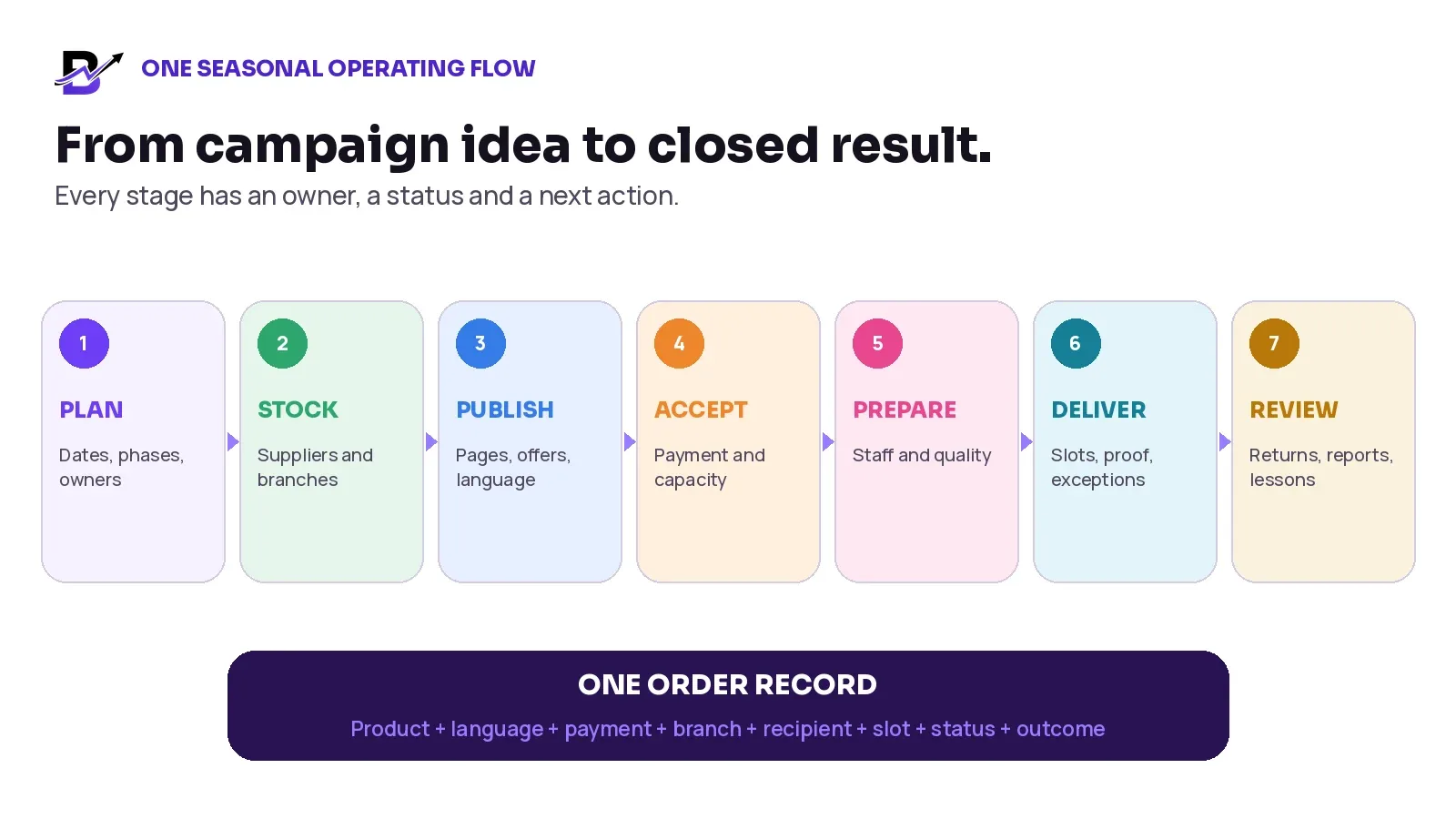
Figure 7. One seasonal plan should connect campaign decisions to each order and its final outcome.
9. Plan corporate gifting and multi-address delivery early
Corporate Ramadan and Eid gifting can create large orders before consumer demand peaks. The risk is accepting the quantity before the buyer, products, branding, price, recipient list, payment condition and delivery schedule are fully approved.
CONTROL | WHAT SHOULD BE APPROVED |
|---|---|
Buyer brief | Company, authorised approver, quantity, budget, products, branding, message and target dates. |
Sample / proof | Approved physical sample, digital proof, card, packaging and substitution rule. |
Recipient file | Required name, phone, address, language, delivery note and privacy rule; one approved version. |
Payment | Deposit, balance, invoice or transfer condition tied to production milestones. |
Production | Batch ownership, quality check, label control, staging and shortage escalation. |
Delivery | One office, batches, multi-address, pickup, failed attempt and final reconciliation. |
CORPORATE CUT-OFF. Do not use the consumer same-day promise for a corporate recipient list. Set separate deadlines for sample approval, buyer changes, recipient-file freeze, payment, production and delivery batches.
10. Make substitutions visible and approved
Seasonal stock changes. A flower colour may sell out. A gift-box item may be unavailable. A bakery may lose one packaging size. The safe response is not a silent replacement. The order should show the original promise, the available alternative, any price or timing effect, who approved it and what the team must do next.
SITUATION | SAFE RESPONSE | RECORD |
|---|---|---|
Pre-approved flexible substitution | Use the written rule already accepted by the customer or buyer. | Record what changed and keep the price and quality promise within the approved range. |
Customer approval required | Pause the affected work and present specific alternatives. | Record the approval, new price if any and revised timing. |
No safe substitute | Offer rescheduling, another product, credit, cancellation or refund according to policy. | Do not force a replacement to protect the sale. |
Corporate batch change | Use the authorised buyer and approved version control. | Do not accept recipient-level changes from an unauthorised person. |
11. Prepare post-Eid returns and customer service before the holiday
The operational season does not end when the final Eid delivery leaves the branch. Customers may request an exchange, return, refund, size change, corrected gift or delivery follow-up after the public holiday. The policy and staffing should exist before the campaign launches.
AREA | PREPARE BEFORE LAUNCH |
|---|---|
Policy visibility | Publish clear eligibility, timeframes, evidence, refund method and exclusions according to local law and business policy. |
Gift purchases | Decide how gift receipts, order lookup, recipient privacy and exchange value will work. |
Custom / perishable items | State the applicable policy clearly and avoid promising a normal resale return where the item cannot be resold. |
Stock decision | Inspect the item and choose restock, hold, rework, supplier return or write-off with a reason. |
Payment outcome | Keep refund, exchange, store credit and physical return as separate records. |
Service coverage | Keep enough staff after Eid to close open deliveries, returns and payment exceptions. |
12. Use one daily control view during the season
Revenue alone does not show whether the operation is keeping the promise. A useful daily view highlights the orders and exceptions that need an owner before the next busy period.
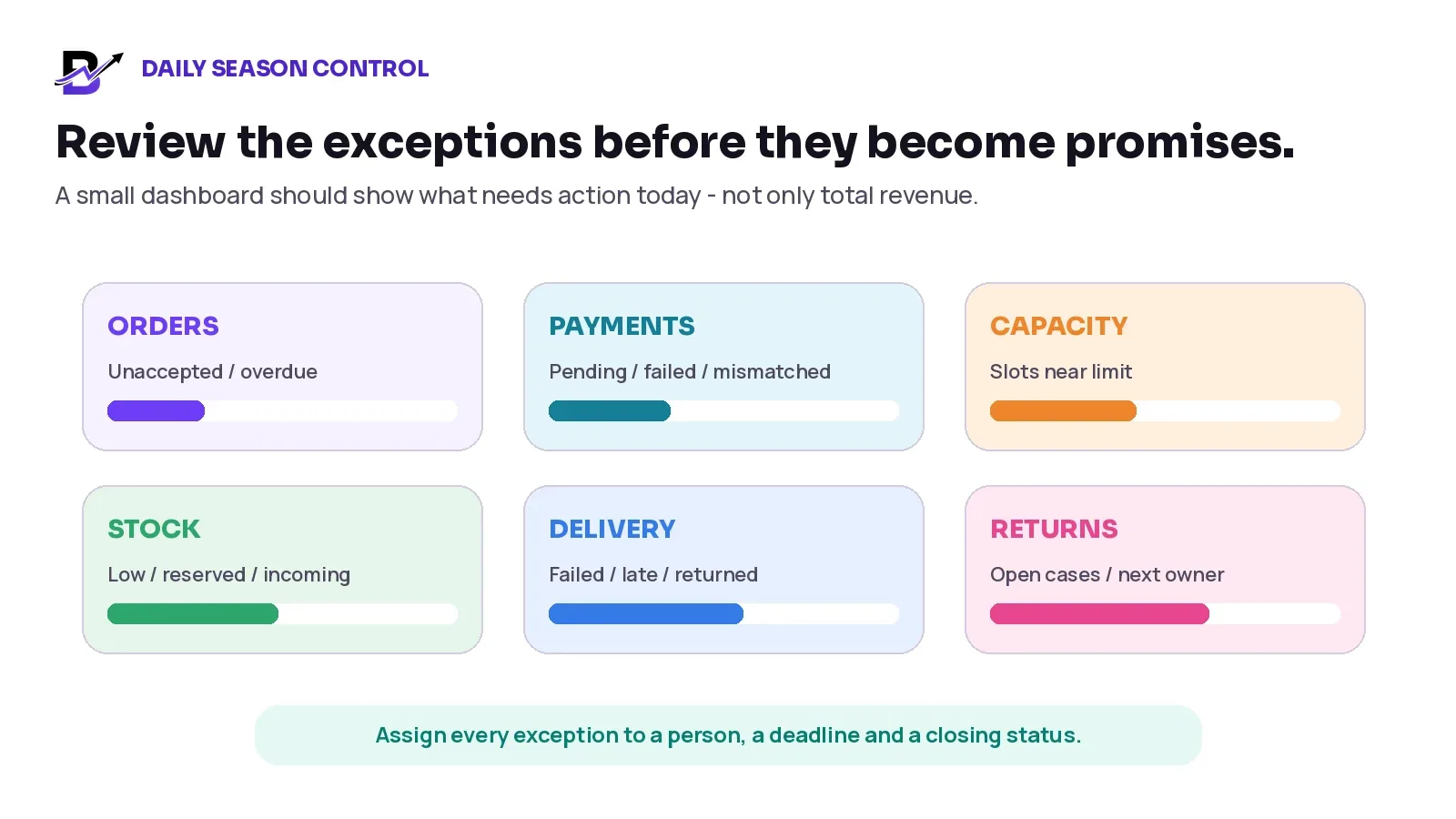
Figure 8. Review action queues and exceptions, not only total sales.
METRIC | WHAT IT CAN REVEAL |
|---|---|
Order completeness before acceptance | Shows whether incomplete orders are entering preparation. |
Payment-pending age | Shows whether paid, failed or unverified orders are blocking slots or stock. |
Accepted-to-ready time | Shows preparation capacity by branch and product type. |
Slot utilisation | Shows which pickup or delivery windows are close to the safe limit. |
Stockouts and substitutions | Shows which products, components, suppliers or branches need action. |
Failed / returned delivery reasons | Shows address, recipient, timing, driver or promise problems. |
Refund and return cases | Shows what remains unresolved after the sale. |
Campaign page and product engagement | Shows whether customers are finding and using the intended seasonal range. |
DAILY REVIEW RULE. Assign every exception to a person, deadline and closing status. A dashboard that only shows a red number does not solve the problem.
13. How Bloomlytix can support Ramadan and Eid operations
Bloomlytix is designed to connect customer sales channels with the shop and delivery work behind the order. A Ramadan or Eid campaign can use the same core catalogue, customer, branch, payment, inventory and order context across configured website, customer app, POS, manual and payment-link workflows.
BLOOMLYTIX AREA | ROLE IN THE SEASONAL WORKFLOW |
|---|---|
Seasonal storefront | Use configured banners, categories, occasion pages, products, bundles, offers and delivery choices. |
Arabic and multilingual content | Support multilingual pages where configured, with human review of the final product and customer promise. |
One order workflow | Bring website, app, POS, manual and payment-link orders into a consistent staff process. |
Staff fulfilment | Show product, options, message, payment, branch, due time, status and preparation notes to permitted users. |
Stock and purchases | Review branch stock, low-stock visibility, adjustments, supplier purchases, invoices and transfers. |
Delivery | Configure zones, charges, dates, time slots, driver assignment, status, proof and exceptions. |
Owner reporting | Review sales, orders, products, branches, stock, purchases, cash and delivery outcomes. |
PRODUCT SCOPE. Confirm the exact Bloomlytix configuration before publication and onboarding. Automatic demand forecasting, prayer-time calendars, workforce rostering, country-specific labour compliance, fundraising approval, advanced warehouse planning, multi-stop route optimisation and complex marketplace or courier integrations are not presented here as standard features.
Questions to ask during a Ramadan and Eid workflow demo
1. Can the business use stable Ramadan and Eid landing pages and update them without changing the main URLs?
2. Can Arabic and English customer pages, checkout details and customer messages be reviewed separately?
3. Can one product or bundle have channel, branch, date and quantity limits?
4. Can website, app, POS, WhatsApp-assisted and payment-link orders enter one operating queue?
5. Can the business cap dates or time slots before the promise becomes unsafe?
6. Can payment, preparation, pickup and delivery remain separate statuses?
7. Can branch stock, reservations, incoming purchases, transfers and low-stock items be reviewed together?
8. Can staff see the approved greeting message, language, recipient and substitution rule?
9. Can corporate orders use approved buyer, batch and delivery information without rebuilding every detail?
10. Can drivers receive only the permitted order, address, slot, notes and proof actions?
11. Can managers see late orders, failed payments, stock exceptions, delivery problems and open returns?
12. Which parts are standard configuration, which require custom work and which depend on third-party providers?
Frequently asked questions
When should UAE and GCC retailers start planning for Ramadan?
A practical starting point is 10 to 12 weeks before the expected beginning, and earlier for corporate gifting, imported products, custom packaging, app releases or complex delivery. The publication date of this guide gives roughly 10 to 11 weeks before the current 2027 planning forecast.
When is Ramadan 2027 expected to begin?
Current astronomical planning forecasts place the first day around Monday, 8 February 2027. Eid Al Fitr is expected around 9 or 10 March. Official dates depend on moon sighting and national announcements, so every public date and operating plan must be rechecked.
Should Ramadan and Eid use one landing page?
Use one evergreen hub when the same audience and products genuinely overlap. Create separate Ramadan and Eid pages when the search intent, range, delivery promise or customer decision is different. Avoid thin pages that repeat the same copy with a changed heading.
How should delivery slots change during Ramadan?
Use measured preparation and transport capacity, local prayer times and the actual branch schedule. Many retailers need earlier cut-offs, wider windows, protected driver breaks and fewer late custom orders. Do not copy one city or country timetable into another.
Should a retailer promise delivery exactly at iftar?
Only when the operation has reliable local data, capacity and a clear handoff model. A wider window is often safer. If exact timing is essential, confirm the city-specific prayer time, preparation deadline, travel buffer, building access and driver availability.
How should Arabic and English content be managed?
Use separate crawlable language URLs, translate the complete buying journey, add reciprocal hreflang, test right-to-left layouts and use a fluent reviewer. Keep product facts, prices, stock, delivery and return conditions consistent.
How should corporate Ramadan or Eid gifts be organised?
Use one approved campaign brief covering the buyer, products, sample, branding, recipient-list version, price, payment milestones, production, delivery batches and final reconciliation. Freeze changes at agreed deadlines.
What should happen after Eid?
Keep customer service and operational review active. Close failed deliveries, returns, exchanges, refunds, stock differences, supplier invoices and payment exceptions. Compare the result with the original forecast and document changes for the next season.
Can Bloomlytix support Ramadan and Eid campaign operations?
Bloomlytix can connect configured ecommerce, customer apps, POS, staff fulfilment, payment links, inventory, purchases, delivery and reporting. The exact language, campaign, branch, gateway, delivery and integration setup should be confirmed during onboarding.
Ramadan and Eid retail operations checklist
Planning dates are clearly marked as forecasts until the local authority confirms them.
Ramadan, the last ten nights, Eid and post-Eid service have separate operating assumptions.
The core range, premium range, corporate range and limited custom work have clear rules.
Every bundle is checked against the smallest required component and branch location.
Supplier deadlines, confirmed receipts, packaging and backup options are documented.
Arabic and English pages include the full buying journey and have fluent human review.
Country-specific working hours, public holidays and mall or branch schedules are verified.
Staff shifts protect preparation, customer service, iftar breaks, dispatch and closing controls.
Order cut-offs and slots reflect real product, branch, staff and delivery capacity.
Website, app, POS, manual and payment-link orders use one acceptance checklist.
Substitution rules separate pre-approved flexibility from customer approval and cancellation.
Corporate campaigns have an approved buyer, sample, recipient file, payment and delivery plan.
Pickup and delivery rules include recipient, access, timing, proof and failed-attempt handling.
Post-Eid returns, exchanges, refunds and customer-service coverage are prepared before launch.
Daily reviews track open orders, payments, capacity, stock, delivery and return exceptions.
The final campaign review compares the forecast, actual demand, stock, staff, delivery and margin inputs.
SEASONAL WORKFLOW REVIEW. Bring one Ramadan or Eid campaign plan, product range, branch model and delivery promise to a Bloomlytix demonstration. We will map how the customer page, order, payment, staff, stock, pickup or delivery and reporting can stay connected.
Book a seasonal workflow review
Sources and further reading
The planning dates and regulatory examples below were checked on 31 October 2026. They must be reviewed again on publication day and before the season because moon-sighting decisions, official circulars and operating rules can change.
International Astronomy Center - Ramadan 1448 crescent forecast - Astronomical planning forecast; not the official national announcement.
The Official Platform of the UAE Government - Ramadan - Moon-sighting process, common Ramadan changes, opening-hour and transport context.
The Official Platform of the UAE Government - public holidays - UAE Eid Al Fitr holiday framework and moon-sighting note.
The Official Platform of the UAE Government - working hours - Current UAE private-sector Ramadan-hour guidance.
Saudi Ministry of Human Resources and Social Development - working hours - Current general Saudi labour-law wording for Ramadan working hours.
Google Search Central - localized versions of pages - Separate language URLs and reciprocal hreflang guidance.
Google Search Central - Article structured data - BlogPosting fields and image/date/author guidance.